
Building automation for healthcare buildings: Hygiene assurance and efficiency through smart technology
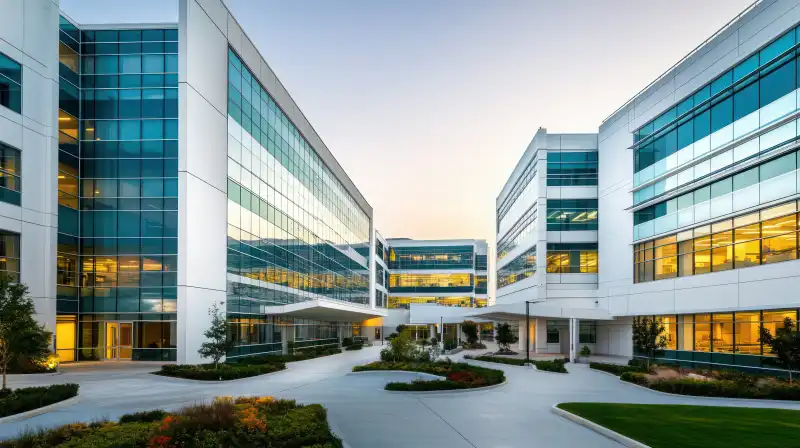
Hospitals and care facilities use building automation to improve hygiene, safety and efficiency.
Efficient automation for safety and optimum hygiene
In hospitals, clinics and care facilities, building automation is indispensable for reducing operating costs, supporting medical processes and improving hygiene.Automated ventilation and air conditioning systems ensure optimum air quality in operating theaters and patient rooms, while intelligent lighting systems simulate daylight to support the recovery process.
Modern access control and monitoring systems ensure that only authorized personnel can enter sensitive areas. At the same time, automated medication dispensing systems ensure greater patient safety.
Energy efficiency is also crucial: smart systems regulate the energy consumption of medical technology and infrastructure to reduce costs without compromising operations.
Healthcare buildings include hospitals, nursing homes, rehabilitation centers, doctors' surgeries and operating theatres. Automated systems improve hygiene, safety and energy efficiency.
Intelligent indoor air systems reduce the risk of infection
Modern HVAC systems with germ-filtering technology minimize the spread of pathogens.
Smart lighting supports the healing process
Dynamic lighting control that mimics the natural circadian rhythm can promote patient recovery.
Typical building types
- Schools, universities & educational centers
- Administration buildings & town halls
- Sports halls, cultural & leisure facilities
- Public infrastructure & transportation buildings
- Hotels, commercial & office buildings
- Healthcare buildings such as clinics
Typical standards & guidelines
- GEG 2024 - Building Efficiency Act
- VDI 3814 - Building automation
- DIN EN ISO 16484 - Building automation systems
- HOAI - Service phases 1-9 for specialist planning
- DIN EN 15232 Energy efficiency
- ISO 50001 Energy management systems
- DIN V 18599 Energy assessment
- IEC 62443 IT security in building automation

Typical automation systems
- Siemens
- Wago
- Phönix
- Beckhoff
- Kieback&Peter
- Sauter
- Johnson Controls
Scope of services & standards
- Building automation KG480 DIN 276
- Specialized planning HOAI service phase 1-9
- Client representation
- Commissioning management
- EMSR planning and instrumentation
- Planning with WSCAD Building Automation

Typical communication protocols
- BACnet IP according to ISO 16484-5
- BACnet MS/TP RS485
- Modbus RTU RS485
- Modbus TCP Ethernet
- KNX ISO/IEC 14543-3 Twisted pair
- M-Bus / wM-Bus
- MQTT for IoT solutions
- UPC UA manufacturer-independent communication
- SMI
- DALI IEC 62386 Lighting control
- EnOcean ISO/IEC 14543-3-10 radio protocol
- LoRaWAN Long Range Wide Area Network radio protocol

Typical integrations
- Modbus RTU for heating and ventilation control
- M-Bus for recording consumption data
- OPC UA for integration into higher-level systems
- BACnet IP as manufacturer-neutral communication to decentralized systems

Time management for construction phases
Coordination of MSR integration with other trades, ensuring just-in-time deliveries for sensors, control units and automation components.
System integration & test runs
Performance of functional tests for all networked systems, acceptance testing in accordance with DIN EN ISO 16484 and validation of the I&C systems.
Coordination in the implementation phase
During the implementation of construction measures, various manufacturers, installers and planning companies work together. MSR-Innovations ensures the coordination of all parties and smooth processing.
Building accessibility & installation
Examination of routing options for cable routes, interface integration into existing structures and placement of control cabinets for optimum ease of maintenance.
Conversion during ongoing operations
Conversion or expansion of plants during operation sometimes entails increased planning efforts and replacement measures. Control or energy supply components have to be replaced temporarily, or ongoing operation has to be specially coordinated at times.
Interface management
A building automation project can become very complex due to the numerous interfaces to the trades involved in the project. Thanks to our cross-trade solution approach, the interfaces are already defined in service phase 2.
System identification key
The system identification key (SIK) or user address key (UAK) forms the basis for the planning of the technical building equipment as well as for the subsequent operation of the systems or building. The focus must therefore be on integrating the SIK or UAK at an early stage. These specifications must be fully taken into account by all planners involved in the project from service phase 2 onwards.
Compatibility of the components
The complexity of an energy system is high. We work with a large number of manufacturers for various components in order to develop an optimum overall system from the best individual modules on the market. The interfaces between the different units pose a challenge that we can solve effectively by integrating the higher-level energy management system.
Conversion and modernization of existing systems
When rebuilding existing equipment, various friction points can occur. Are the new components compatible with the old ones? Does it make sense to completely renew parts of the plant? What software is used? It is important to carry out a detailed inventory and to sound out the possibilities.
Architects
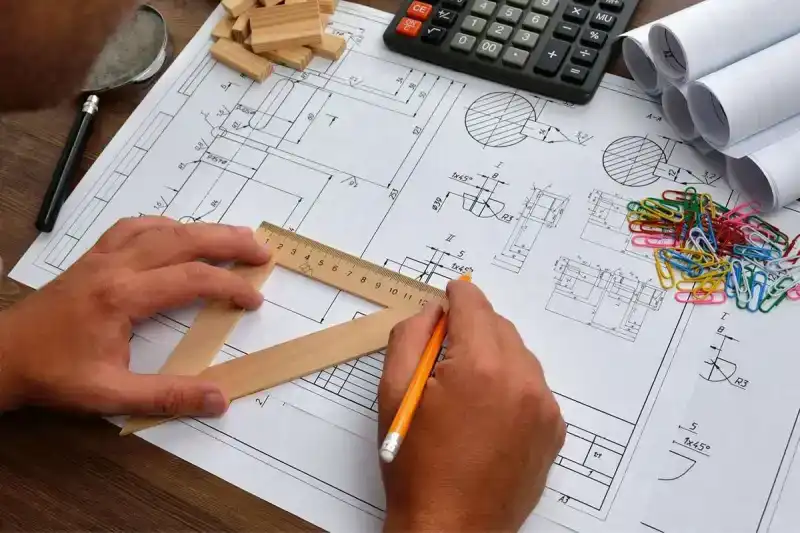
I&C planning integrates seamlessly into the building concept and meets design and efficiency requirements.
Builders
Smart building automation ensures low operating costs, comfort and sustainable efficiency.
Property developer
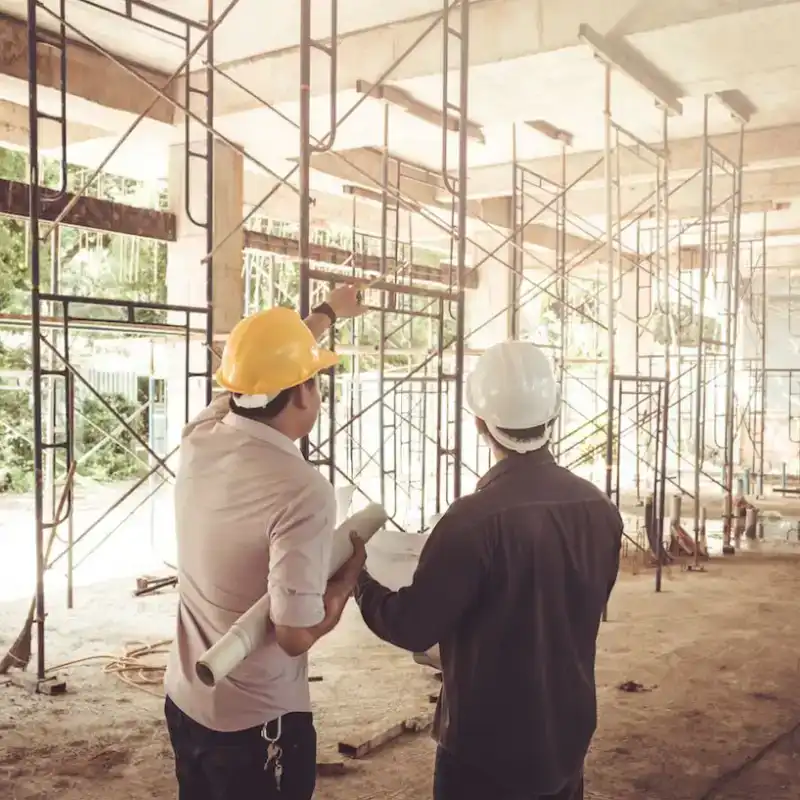
Efficient I&C solutions optimize construction and operating costs, are scalable and conform to standards
Performance phase 1
Performance phase 2
Performance phase 3
Performance phase 4
Performance phase 5
Performance phase 6
Performance phase 7
Performance phase 8
Performance phase 9
Building automation has accompanied me since the beginning of my professional career. In numerous projects, we were able to build up a deep know-how that benefits our customers today.
Rainer Herold
Managing Director


.png)


