
Energy self-sufficient building supply & seasonal storage

Independent solutions for building supply & seasonal energy storage with hydrogen
The energy supply to buildings usually depends on the network infrastructure. With hydrogen as an energy source, you become independent of the public grid and store the electricity you generate yourself for the winter in the form of hydrogen.
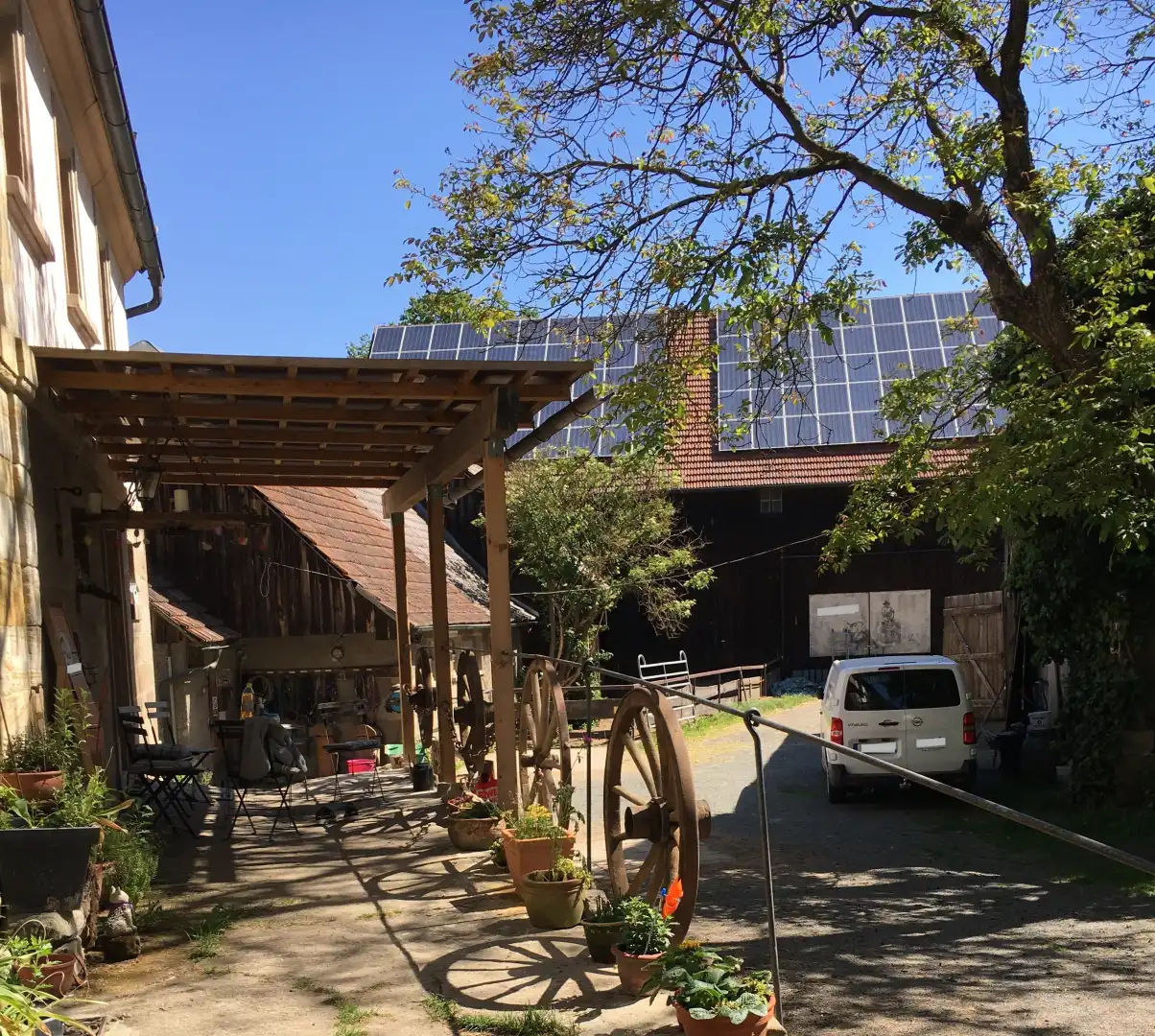
The first step towards energy independence is to generate your own electricity with a renewable energy system. However, a PV system often does not provide the power required to supply the building in winter. However, there are surpluses in summer. These can be stored using a hydrogen energy system and thus self-sufficiency can be maintained throughout the year.
The first step towards energy independence is to generate your own electricity with a renewable energy system. However, a PV system often does not provide the power required to supply the building in winter. However, there are surpluses in summer. These can be stored using a hydrogen energy system and thus self-sufficiency can be maintained throughout the year.
The energy supply to buildings usually depends on the network infrastructure. With hydrogen as an energy source, you become independent of the public grid.
Up to 100% energy self-sufficiency
With a hydrogen system you can become 100% self-sufficient.
Hydrogen as seasonal storage
Hydrogen is ideal as long-term energy storage.
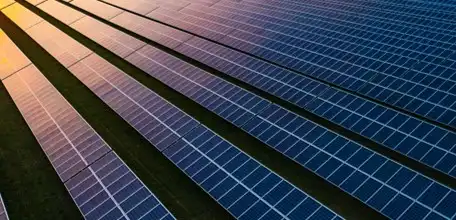
Photovoltaik
- Primary energy generation via PV modules
- Energy consumption coverage
- Use of excess electricity for hydrogen production
- Enabling energy self-sufficient supply systems
Long-term hydrogen storage
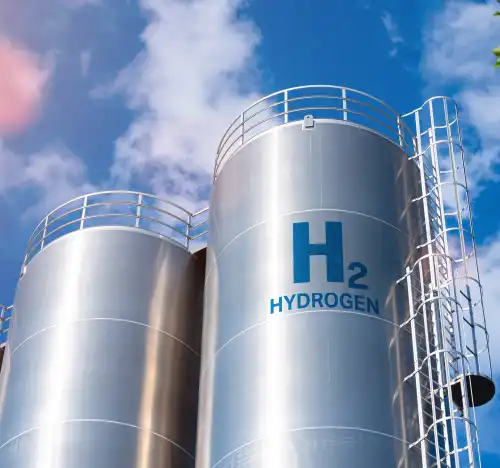
- Seasonal H2 storage
- High-pressure hydrogen storage
- Cylinder bundle storage
- High pressure tank
- 30 to 700 bar
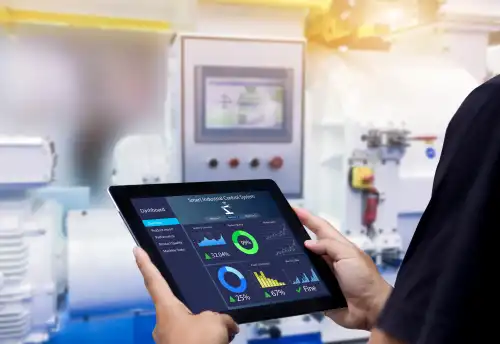
Energymanagementsystem
- Intelligent control of the hydrogen system by means of an energy management system (EMS)
- EMS as the hub of all data
- Visualization of the energy flows
- Plant optimization
- Improvement of economic efficiency & plant availability
- Intelligente Steuerung des Wasserstoffsystems mittels Energiemanagementsystem (EMS)
- EMS als Knotenpunkt aller Daten
- Visualisierung der Energieflüsse
- Anlagenoptimierung
- Verbesserung der Wirtschaftlichkeit & Anlagenverfügbarkeit
Elektrolysis
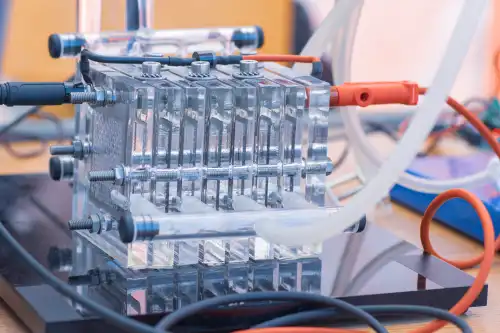
- chemical splitting of water (H2O) into hydrogen (H2) and oxygen (O)
- 2 H2O → 2 H2 + O2
- Different processes:
- PEM electrolysis
- AEM electrolysis
- AEL electrolysis
- Chlorine-alkali electrolysis
Fuelcell
- Energy conversion: Conversion of hydrogen into electrical energy
- Fuel cells with high efficiencies of up to 70%.
- no emissions: Fuel cells only generate water and heat as byproducts
- Control range: flexible control according to consumption requirements
Battery
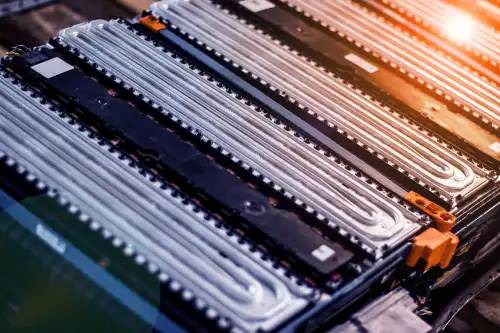
- Short-term power storage using battery technology
- Extremely high efficiencies
- Day-night balance
- Optimization of the self-consumption rate and energy autrakia
- Buffer storage for electrolysis and fuel cell operation
Hydrogen CHP
- CHP through the combustion of H2 in reciprocating engines
- Coupling of waste heat into a heating system
- Power generation via generator
- High efficiency
- Simple system integration by replacing the old natural gas CHP unit

Hydrogen condensing boiler
- 100% hydrogen condensing boiler
- Innovative building heating
- Heat supply 100% regenerative
- Easy integration into heating system by replacing the natural gas boiler
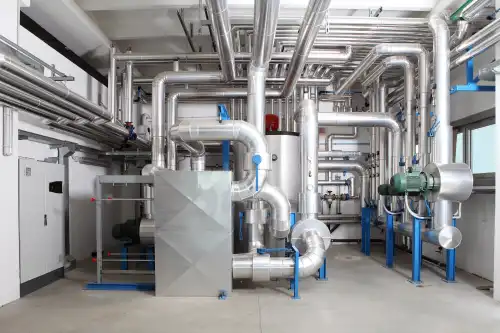
Explosion protection zone
- Establishment of an EX-protection zone
- Gas warning system
- Average fan
- automated emergency shutdown

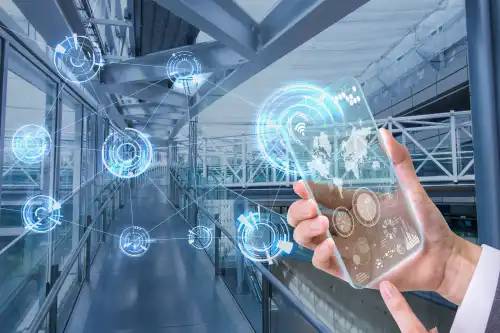
Smart Meter
- Recording of the energy flows
- Live data acquisition
- Data processing in EMS
- Plant optimization
- Analysis of the economic efficiency & plant parameters
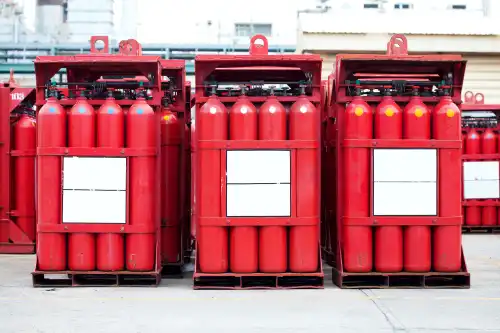
Hydrogen bundle storage
- Storage of hydrogen in compressed gas cylinders
- Maximum flexible
- scalable
- 700 bar
- Modular
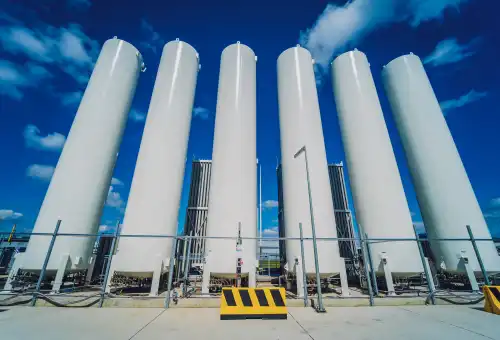
Hydrogen high pressure tank
- Storage of large quantities of hydrogen
- 300 bar
- application-related design
Heat pump
- Base load coverage with heat pump
- Supply via RES-E
- High efficiency
- Flexibly controllable in the overall plant system

Smart connectivity
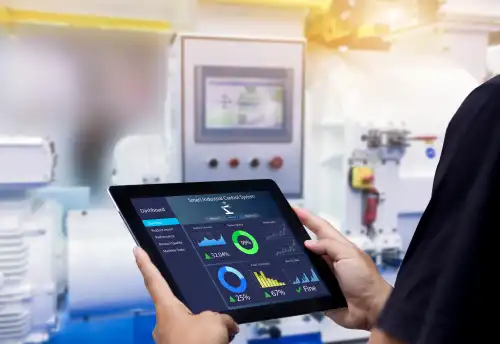
An intelligent system for controlling all relevant components in buildings.
Approval process
We understand the complexities involved in the permitting process for hydrogen projects and pride ourselves on being able to successfully overcome these challenges.
Net integration
The building supply, hydrogen generation plants or other energy systems are usually connected to the public power grid. A central challenge here is the integration of the system under the specifications of the grid operator.
Coordination in the implementation phase
During the implementation of construction measures, various manufacturers, installers and planning companies work together. MSR-Innovations ensures the coordination of all parties and smooth processing.
Conversion and modernization of existing systems
When rebuilding existing equipment, various friction points can occur. Are the new components compatible with the old ones? Does it make sense to completely renew parts of the plant? What software is used? It is important to carry out a detailed inventory and to sound out the possibilities.
Real estate sector

Residential neighborhoods, blocks of houses and apartment buildings can be optimally supplemented with hydrogen energy systems
Homeowner

Innovative homeowners make themselves independent by integrating hydrogen systems
Mountain huts

Mountain huts and other self-sufficient buildings can ensure year-round energy supply through hydrogen systems
Public facilities

City halls, schools and other public facilities will need modern automation technology in the future.
Initial consultation
Analysis of the current situation
Funding acquisition
Feasibility studies
Simulation
Detailed Engineering
Permits
Market analysis
Tenders
Selection of components
public relation
Construction support
Installation
Monitoring of plant operations
Further development
Hydrogen is the energy carrier of the future. In many areas, it is becoming apparent that electrification is reaching its limits. Here, hydrogen is the perfect alternative to drive the energy transition.
Rainer Herold
Managing Director

The results of the simulation calculation proved that a self-sufficient supply of the property is possible using the appropriate storage technologies and pressures. During the course of the project, it became clear that the customer has a very high affinity for hydrogen technology.
Alexander Kapsch
Projectmanager
The energy management system is the brain of the hydrogen energy system. It enables the intelligent networking of the individual components to realise maximum energy self-sufficiency and economic efficiency. The challenge lies in the optimal operation of the electrolysis and the fuel cell in interaction with the PV system and battery storage.
Robin Bär
Master Student


.png)


