
Establishment of regional hydrogen HUBs
The establishment of hydrogen networks is the beginning of the innovative development of regions that use hydrogen as an energy source to drive decarbonization.
Ramp-up of the hydrogen economy
The potential of hydrogen technology is far-reaching. But developing this potential is a challenge for municipalities, regions and companies.
In order to promote the ramp-up of the hydrogen economy and ensure sales markets for producers as well as offers for consumers, the construction of a hydrogen HUB is the first development step.
The establishment of hydrogen networks is the beginning of the innovative development of regions that use hydrogen as an energy source to drive decarbonization.
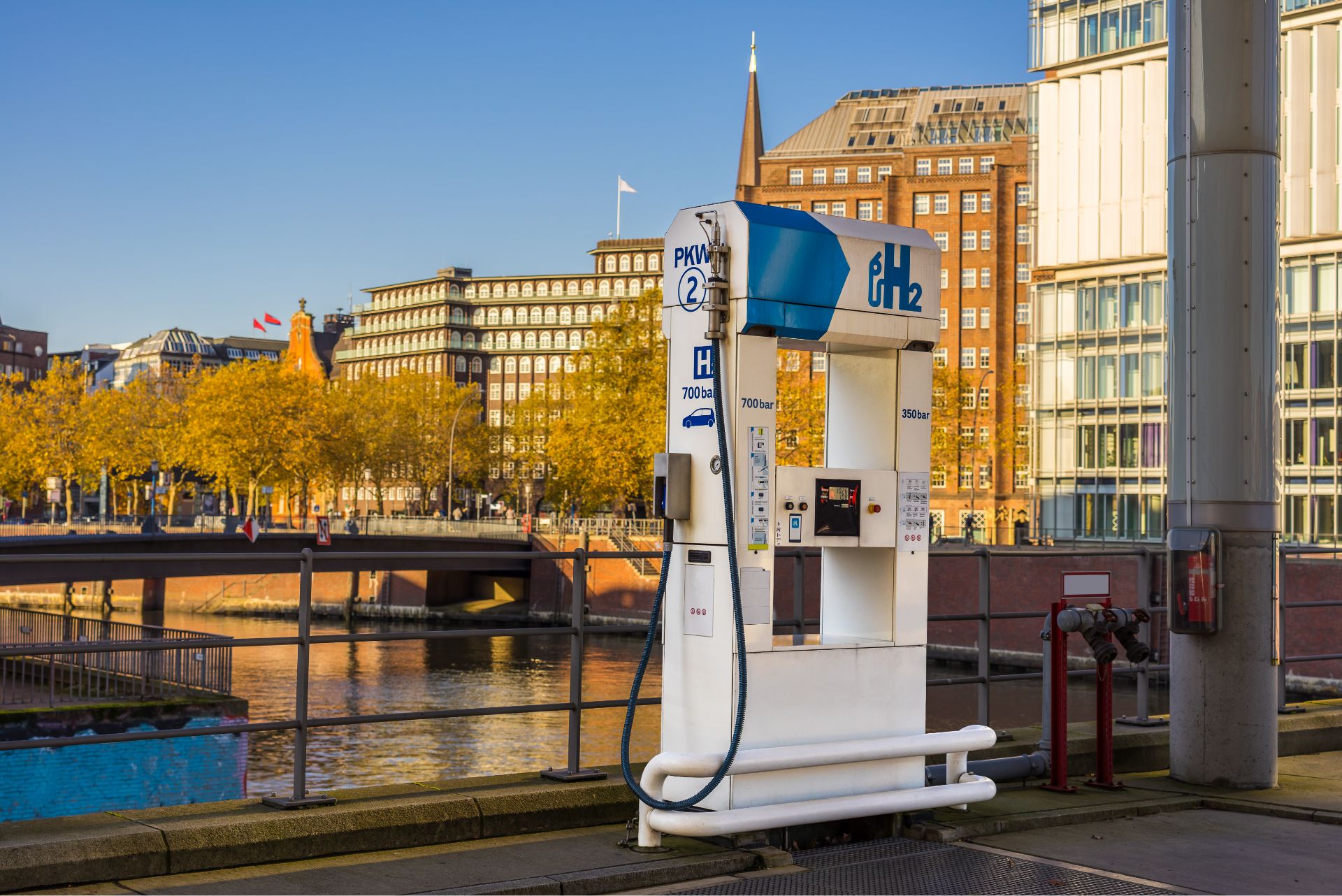
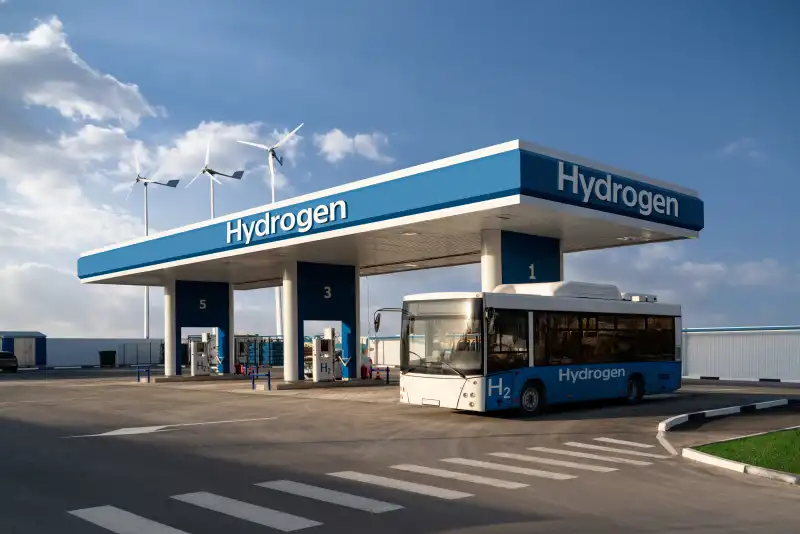
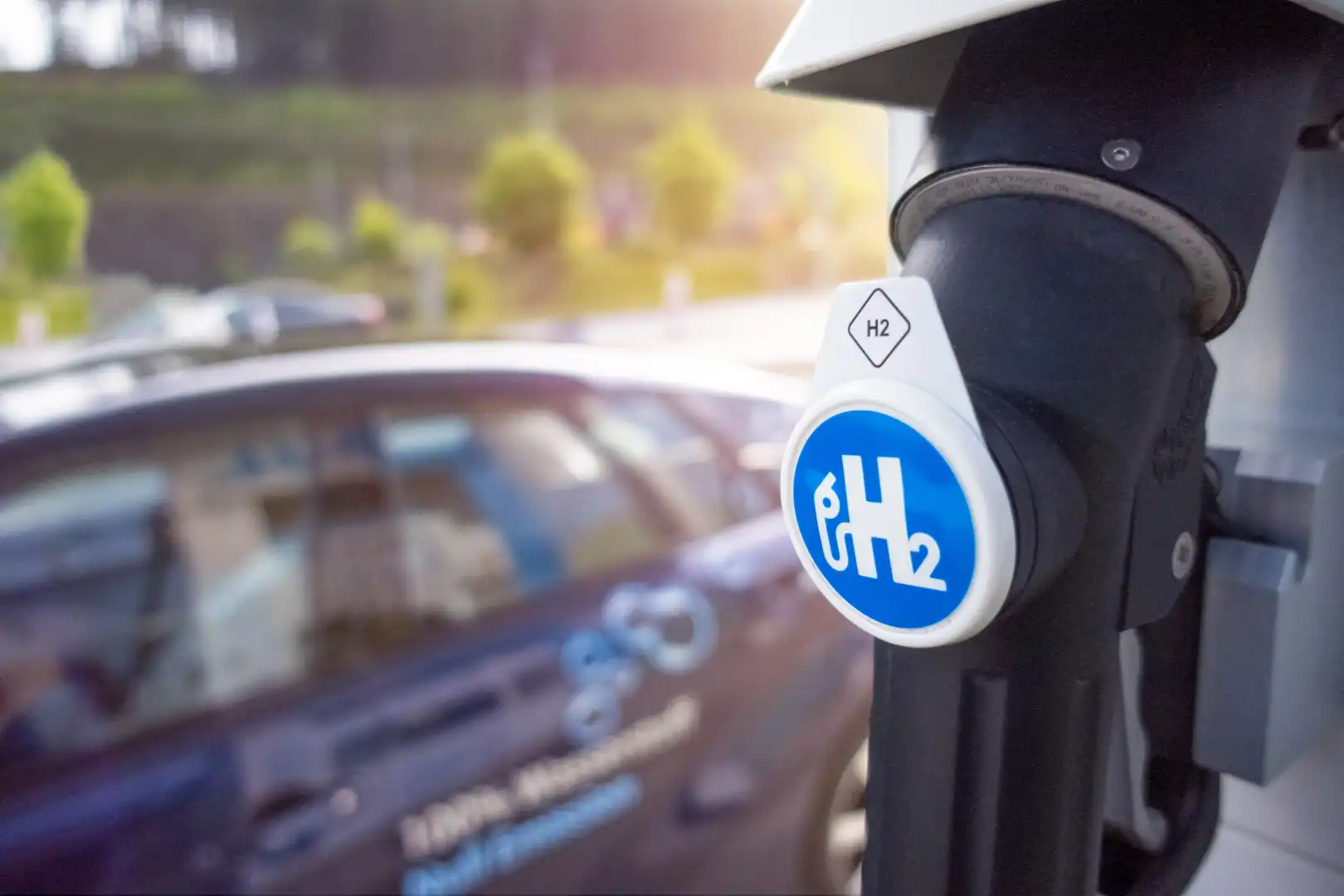
Hydrogen filling stations
Building H2 distribution networks in mobility.
producers and consumers
The coupling of H2 producers and consumers.
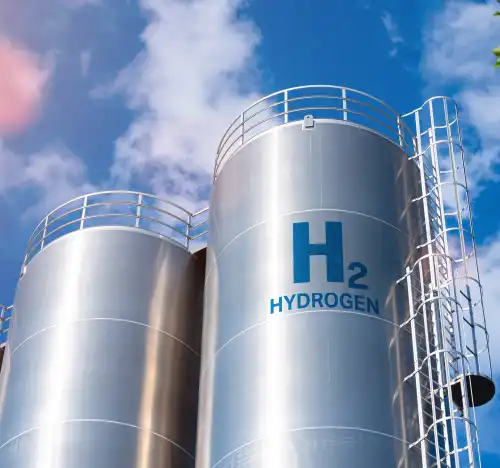
Long-term hydrogen storage
- Seasonal H2 storage
- High-pressure hydrogen storage
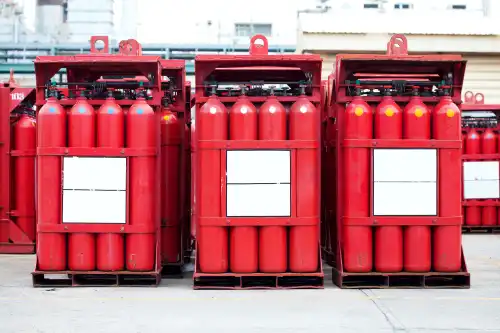
- Cylinder bundle storage
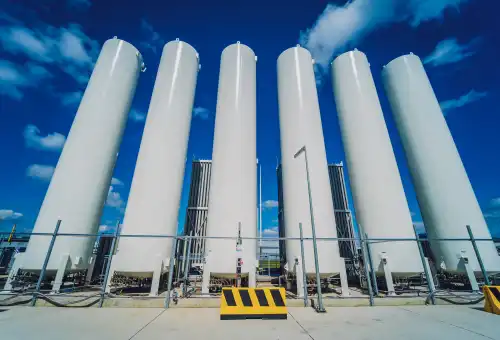
- High pressure tank
- 30 to 700 bar
Elektrolysis
- chemical splitting of water (H2O) into hydrogen (H2) and oxygen (O)
- 2 H2O → 2 H2 + O2
- Different processes:
- PEM electrolysis
- AEM electrolysis
- AEL electrolysis
- Chlorine-alkali electrolysis
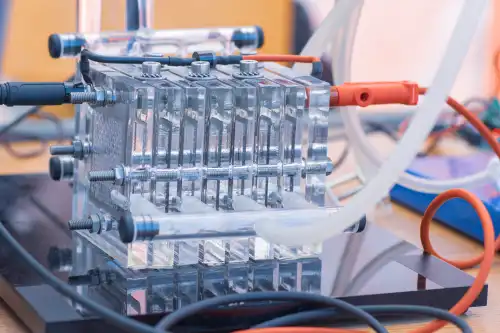
Hydrogen filling station
- Hydrogen delivery
- Own generation by means of electrolysis
- Intermediate storage
- Hydrogen dispenser
- Integration of electric charging stations
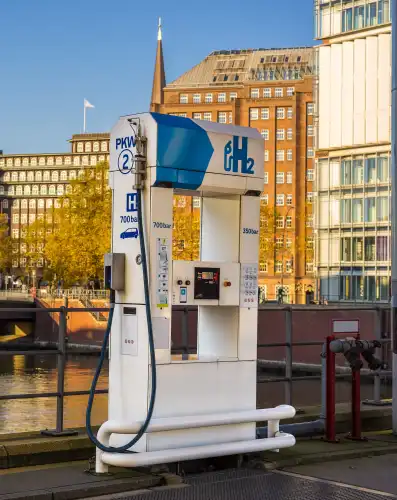
Hydrogen vehicles
- Hydrogen vehicle fleet
- Cars
- Trucks
- Buses
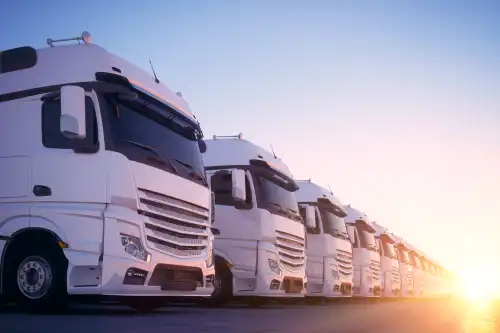
Hydrogen transport
- Hydrogen transport by road, rail & ship
- Trailer filling & acceptance stations
- Construction transport network
- Hydrogen transport by road, rail & ship
- Trailer filling & acceptance stations
- Construction transport network
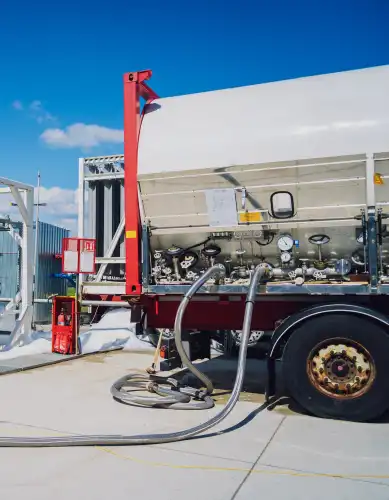
Explosion protection zone
- Establishment of an EX-protection zone
- Gas warning system
- Average fan
- automated emergency shutdown

Hydrogen bundle storage
- Storage of hydrogen in compressed gas cylinders
- Maximum flexible
- scalable
- 700 bar
- Modular
Hydrogen high pressure tank
- Storage of large quantities of hydrogen
- 300 bar
- application-related design
Logistical coordination
MSR-Innovations coordinates the components of a plant and the underlying logistical coordination measures during the implementation phase as a planning partner. This includes the organization in terms of time and place as well as the planning of access routes and checking building accessibility.
Approval process
We understand the complexities involved in the permitting process for hydrogen projects and pride ourselves on being able to successfully overcome these challenges.
Component compatibility
The complexity of an energy system for storing electricity and hydrogen is high. We work with a large number of manufacturers for various components in order to develop an optimal overall system from the best individual modules on the market. The interfaces of the different units pose a challenge, which we can effectively solve with the integration of the higher-level energy management system.
Funding acquisition
Thanks to our experience, we know which funding opportunities exist and which contact to address. In addition, we regularly explore new opportunities for application-related funding.
Choice of location
For the site selection of hydrogen plants, certain requirements have to be checked. We support our customers in the selection of suitable sites or premises in buildings.
Public participation
The planning of large-scale projects in the energy sector can meet with resistance or skepticism from the public. Here, it is important to convince people of the advanced and safe technology and to explain the advantages.
Coordination in the implementation phase
During the implementation of construction measures, various manufacturers, installers and planning companies work together. MSR-Innovations ensures the coordination of all parties and smooth processing.
Logistics
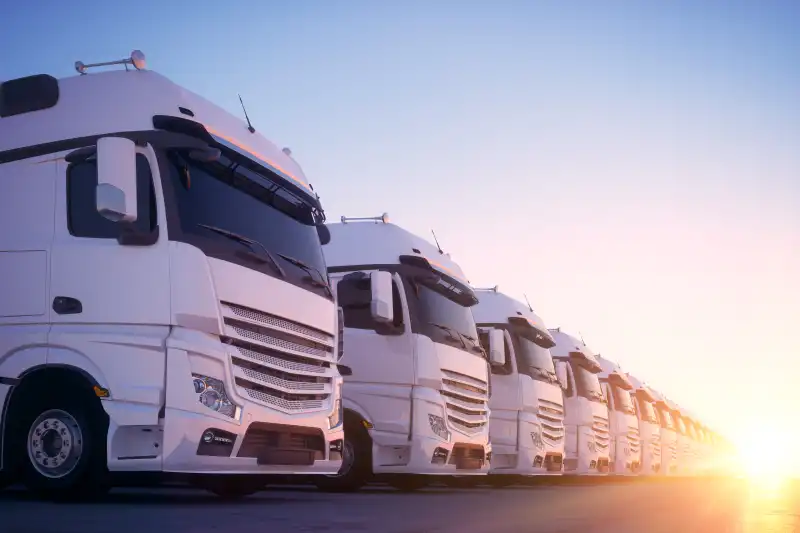
The logistics industry often offers extremely large roof areas for the use of PV systems.
Hydrogen Mobility
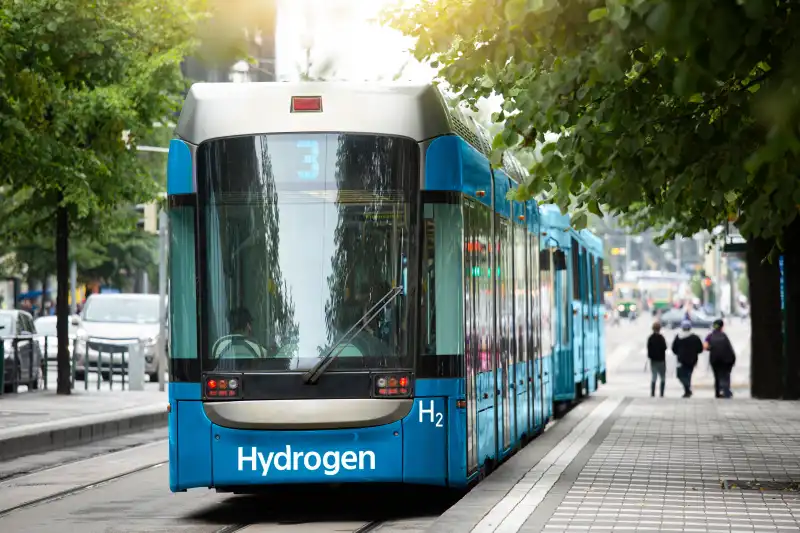
Heavy-duty transport, automobiles, buses and trains require an increasing hydrogen infrastructure.
Initial consultation
Analysis of the current situation
Funding acquisition
Feasibility studies
Simulation
Detailed Engineering
Permits
Market analysis
Tenders
Selection of components
public relation
Construction support
Installation
Monitoring of plant operations
Further development
Hydrogen is the energy carrier of the future. In many areas, it is becoming apparent that electrification is reaching its limits. Here, hydrogen is the perfect alternative to drive the energy transition.
Rainer Herold
Managing Director


.png)


