
Hydrogen in agriculture or agricultural enterprises
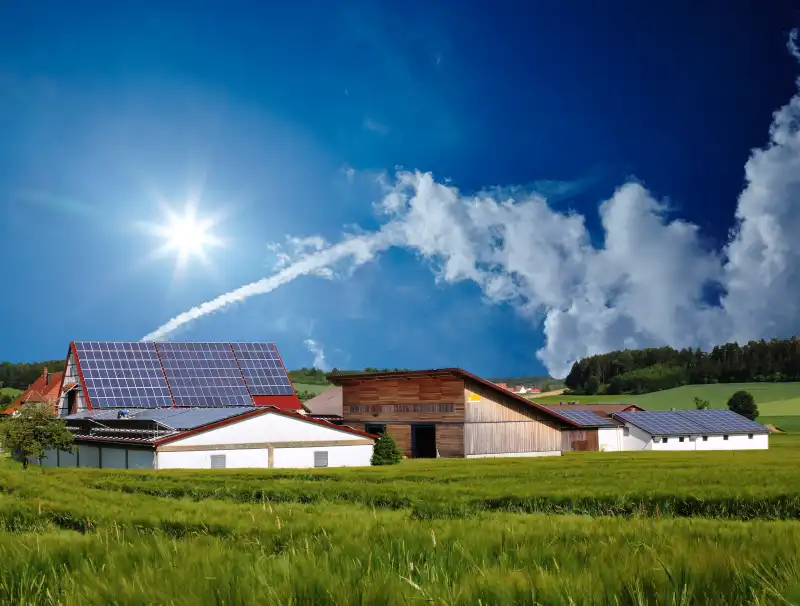
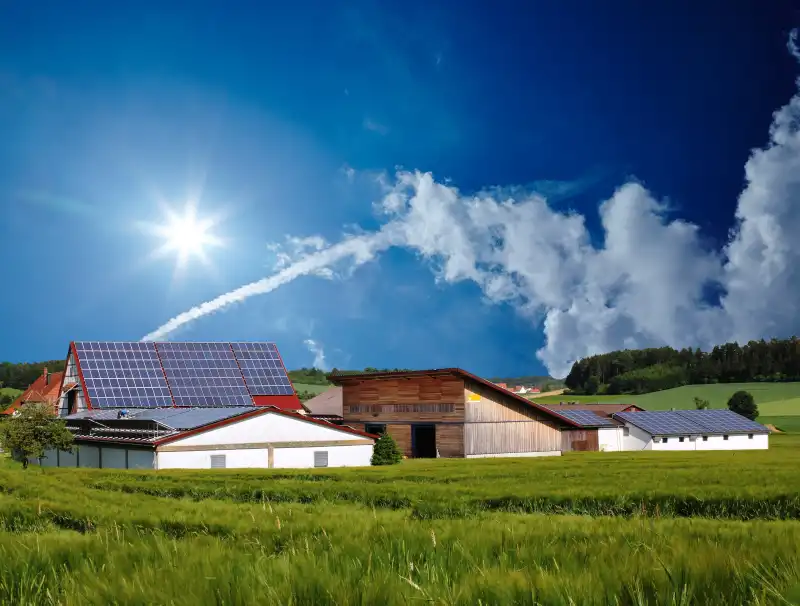
Expiring EEG subsidies for photovoltaic systems in agriculture - producing hydrogen.
As a result of the expiry of EEG subsidies from 2024 for numerous photovoltaic systems in the agricultural sector, the challenge is to market the energy generated efficiently. Feeding energy into the supply grid often only achieves low prices per kilowatt hour, which is why utilising your own electricity is seen as an advantageous way of counteracting rising energy costs. Given the demand for energy in the evening and at night, temporarily stored renewable energy is becoming a crucial resource. We offer both battery storage and hydrogen energy storage as possible solutions. In addition, hydrogen-powered agricultural vehicles that can be supplied with self-produced hydrogen are becoming increasingly important. We would be happy to provide you with advice.
With the expiry of the EEG subsidy from 2024 for many agricultural PV systems, the question of efficient marketing arises. Utilising your own electricity offers a better alternative to feeding it into the grid. The temporarily stored renewable energy can be optimised through battery or hydrogen storage. Our solutions include both options. In addition, more and more hydrogen-powered agricultural vehicles are being offered that can be supplied with self-produced hydrogen. Contact us for a consultation
Surplus electricity
Continue to utilise photovoltaic power as EEG subsidies expire
Increase self-consumption rate & self-sufficiency
Your hydrogen energy storage system will significantly reduce your electricity bill
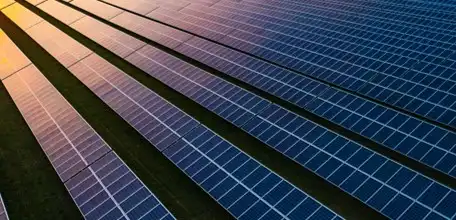
Photovoltaik
- Primary energy generation via PV modules
- Energy consumption coverage
- Use of excess electricity for hydrogen production
- Enabling energy self-sufficient supply systems
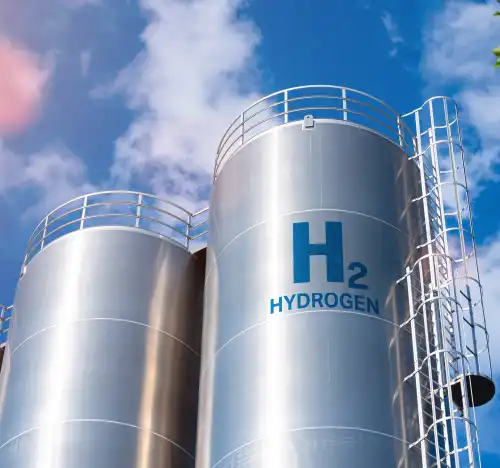
Long-term hydrogen storage
- Seasonal H2 storage
- High-pressure hydrogen storage
- Cylinder bundle storage
- High pressure tank
- 30 to 700 bar
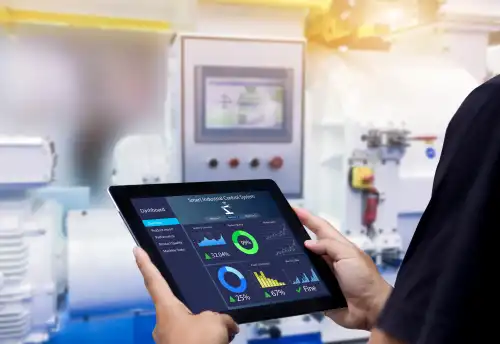
Energymanagementsystem
- Intelligent control of the hydrogen system by means of an energy management system (EMS)
- EMS as the hub of all data
- Visualization of the energy flows
- Plant optimization
- Improvement of economic efficiency & plant availability
- Intelligente Steuerung des Wasserstoffsystems mittels Energiemanagementsystem (EMS)
- EMS als Knotenpunkt aller Daten
- Visualisierung der Energieflüsse
- Anlagenoptimierung
- Verbesserung der Wirtschaftlichkeit & Anlagenverfügbarkeit
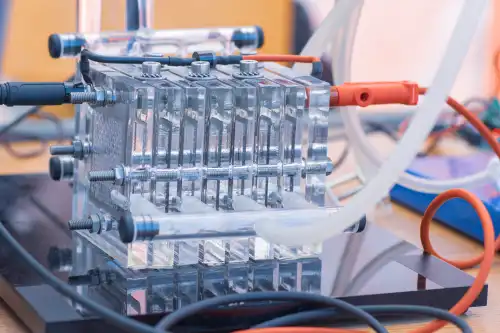
Elektrolysis
- chemical splitting of water (H2O) into hydrogen (H2) and oxygen (O)
- 2 H2O → 2 H2 + O2
- Different processes:
- PEM electrolysis
- AEM electrolysis
- AEL electrolysis
- Chlorine-alkali electrolysis
Fuelcell
- Energy conversion: Conversion of hydrogen into electrical energy
- Fuel cells with high efficiencies of up to 70%.
- no emissions: Fuel cells only generate water and heat as byproducts
- Control range: flexible control according to consumption requirements
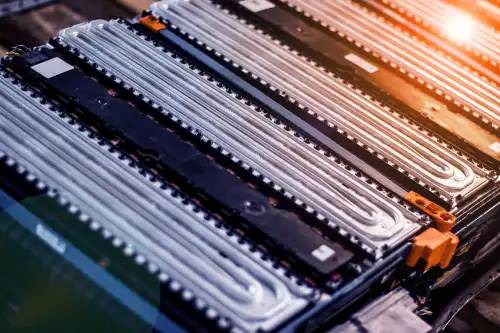
Battery
- Short-term power storage using battery technology
- Extremely high efficiencies
- Day-night balance
- Optimization of the self-consumption rate and energy autrakia
- Buffer storage for electrolysis and fuel cell operation
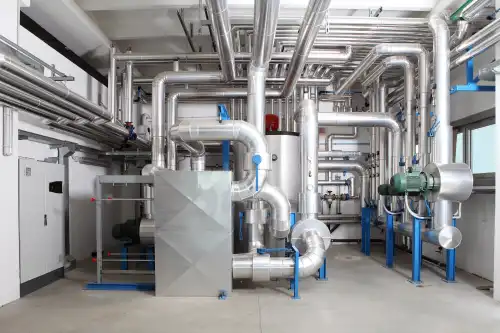
Hydrogen CHP
- CHP through the combustion of H2 in reciprocating engines
- Coupling of waste heat into a heating system
- Power generation via generator
- High efficiency
- Simple system integration by replacing the old natural gas CHP unit

Hydrogen condensing boiler
- 100% hydrogen condensing boiler
- Innovative building heating
- Heat supply 100% regenerative
- Easy integration into heating system by replacing the natural gas boiler
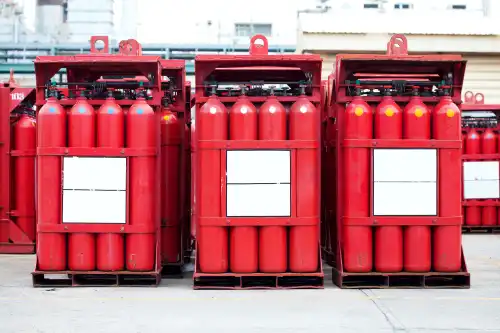
Hydrogen bundle storage
- Storage of hydrogen in compressed gas cylinders
- Maximum flexible
- scalable
- 700 bar
- Modular
Logistical coordination
MSR-Innovations coordinates the components of a plant and the underlying logistical coordination measures during the implementation phase as a planning partner. This includes the organization in terms of time and place as well as the planning of access routes and checking building accessibility.
Approval process
We understand the complexities involved in the permitting process for hydrogen projects and pride ourselves on being able to successfully overcome these challenges.
Component compatibility
The complexity of an energy system for storing electricity and hydrogen is high. We work with a large number of manufacturers for various components in order to develop an optimal overall system from the best individual modules on the market. The interfaces of the different units pose a challenge, which we can effectively solve with the integration of the higher-level energy management system.
Food industry

The production of food is often extremely energy-intensive.
Agriculture
Expiring EEG subsidies for photovoltaic systems in agriculture - producing hydrogen.



.png)


