
Self-sufficient heat supply with hydrogen

Heat supply plays a central role in companies and the real estate sector. Heat pumps in combination with a hydrogen system offer an efficient overall system configuration without natural gas or oil.
Climate-neutral heat supply is the top topic in the energy industry in 2023. Substituting heat pumps for burning natural gas or oil is reaching its limits in many cases. Peak loads must be buffered using heating elements that are marked with high power consumption. Since PV systems often cannot meet this demand in winter and excess electricity flows into the grid in summer, a hydrogen system can be used efficiently. The H2 storage tanks fill up in summer and feed hydrogen condensing boilers or a hydrogen CHP in winter. By intelligently controlling the entire system, the degree of self-sufficiency can be kept extremely high and the energy generated can be used optimally. The heat pump serves to cover the basic heating load.
Heat supply plays a central role in companies and the real estate sector. Heat pumps in combination with a hydrogen system offer an efficient overall system configuration without natural gas or oil.
Hydrogen CHP
A CHP is a combined heat and power system that generates heat and electricity at the same time. The advantage lies in high efficiency.
H2 condensing boiler
Hydrogen condensing boilers burn H2 with very high efficiency and offer an optimal way to cover peak loads.
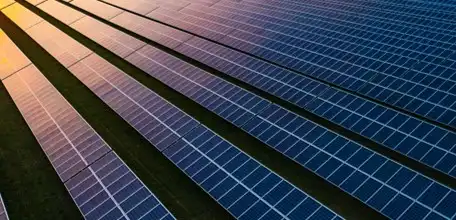
Photovoltaik
- Primary energy generation via PV modules
- Energy consumption coverage
- Use of excess electricity for hydrogen production
- Enabling energy self-sufficient supply systems
Long-term hydrogen storage
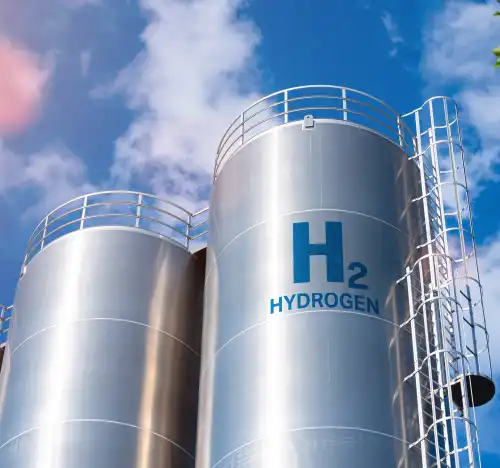
- Seasonal H2 storage
- High-pressure hydrogen storage
- Cylinder bundle storage
- High pressure tank
- 30 to 700 bar
Energymanagementsystem
- Intelligent control of the hydrogen system by means of an energy management system (EMS)
- EMS as the hub of all data
- Visualization of the energy flows
- Plant optimization
- Improvement of economic efficiency & plant availability
- Intelligente Steuerung des Wasserstoffsystems mittels Energiemanagementsystem (EMS)
- EMS als Knotenpunkt aller Daten
- Visualisierung der Energieflüsse
- Anlagenoptimierung
- Verbesserung der Wirtschaftlichkeit & Anlagenverfügbarkeit
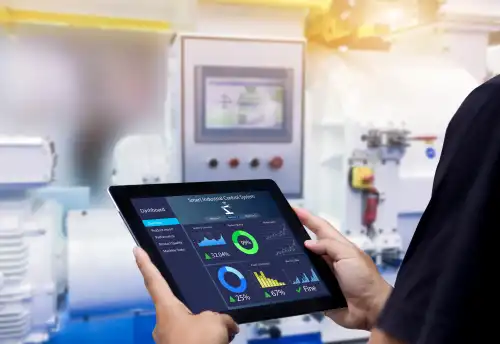
Elektrolysis
- chemical splitting of water (H2O) into hydrogen (H2) and oxygen (O)
- 2 H2O → 2 H2 + O2
- Different processes:
- PEM electrolysis
- AEM electrolysis
- AEL electrolysis
- Chlorine-alkali electrolysis
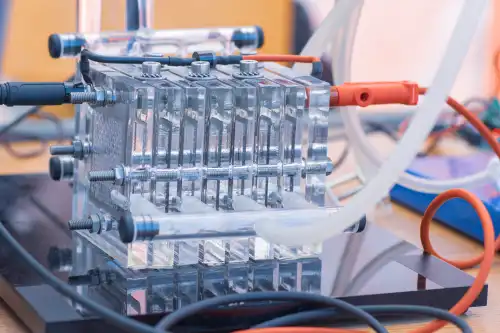
Hydrogen CHP
- CHP through the combustion of H2 in reciprocating engines
- Coupling of waste heat into a heating system
- Power generation via generator
- High efficiency
- Simple system integration by replacing the old natural gas CHP unit

Explosion protection zone
- Establishment of an EX-protection zone
- Gas warning system
- Average fan
- automated emergency shutdown

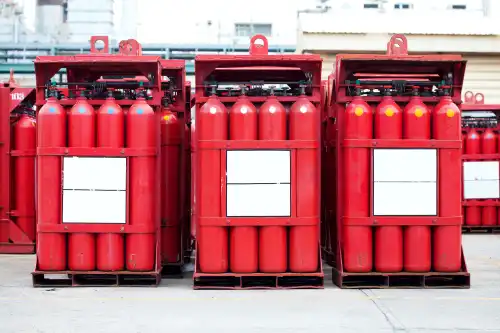
Hydrogen bundle storage
- Storage of hydrogen in compressed gas cylinders
- Maximum flexible
- scalable
- 700 bar
- Modular
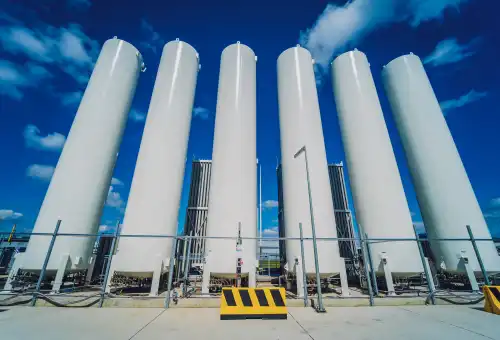
Hydrogen high pressure tank
- Storage of large quantities of hydrogen
- 300 bar
- application-related design
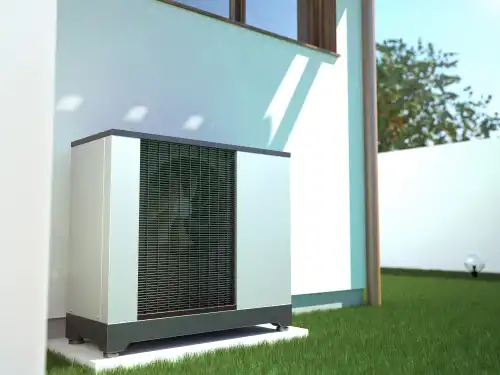
Heat pump
- Base load coverage with heat pump
- Supply via RES-E
- High efficiency
- Flexibly controllable in the overall plant system
Hydrogen energy system
- Electrolysis for the production of hydrogen
- Hydrogen storage
- Fuel cell for generating electricity from hydrogen
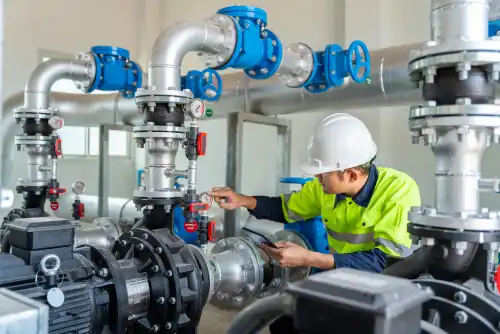
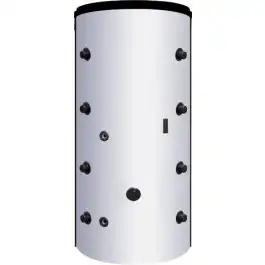
Thermal layer storage
The storage of heat in stratified storage tanks is an important buffer to couple different heat generators into one system.
If a hydrogen system is implemented, the waste heat from electrolysis and fuel cells can be decoupled and thus fed into the heating system.
.
If a hydrogen system is implemented, the waste heat from electrolysis and fuel cells can be decoupled and thus fed into the heating system.
.
Logistical coordination
MSR-Innovations coordinates the components of a plant and the underlying logistical coordination measures during the implementation phase as a planning partner. This includes the organization in terms of time and place as well as the planning of access routes and checking building accessibility.
Approval process
We understand the complexities involved in the permitting process for hydrogen projects and pride ourselves on being able to successfully overcome these challenges.
Component compatibility
The complexity of an energy system for storing electricity and hydrogen is high. We work with a large number of manufacturers for various components in order to develop an optimal overall system from the best individual modules on the market. The interfaces of the different units pose a challenge, which we can effectively solve with the integration of the higher-level energy management system.
Funding acquisition
Thanks to our experience, we know which funding opportunities exist and which contact to address. In addition, we regularly explore new opportunities for application-related funding.
Coordination in the implementation phase
During the implementation of construction measures, various manufacturers, installers and planning companies work together. MSR-Innovations ensures the coordination of all parties and smooth processing.
Conversion during ongoing operations
Conversion or expansion of plants during operation sometimes entails increased planning efforts and replacement measures. Control or energy supply components have to be replaced temporarily, or ongoing operation has to be specially coordinated at times.
Conversion and modernization of existing systems
When rebuilding existing equipment, various friction points can occur. Are the new components compatible with the old ones? Does it make sense to completely renew parts of the plant? What software is used? It is important to carry out a detailed inventory and to sound out the possibilities.
Horticulture & Greenhouses
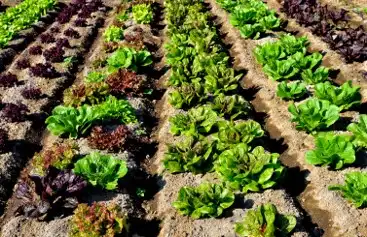
The heat and electricity demand in vegetable production is enormous. H2 can play an important role as an energy carrier
Initial consultation
Analysis of the current situation
Funding acquisition
Feasibility studies
Simulation
Detailed Engineering
Permits
Market analysis
Tenders
Selection of components
public relation
Construction support
Installation
Monitoring of plant operations
Further development
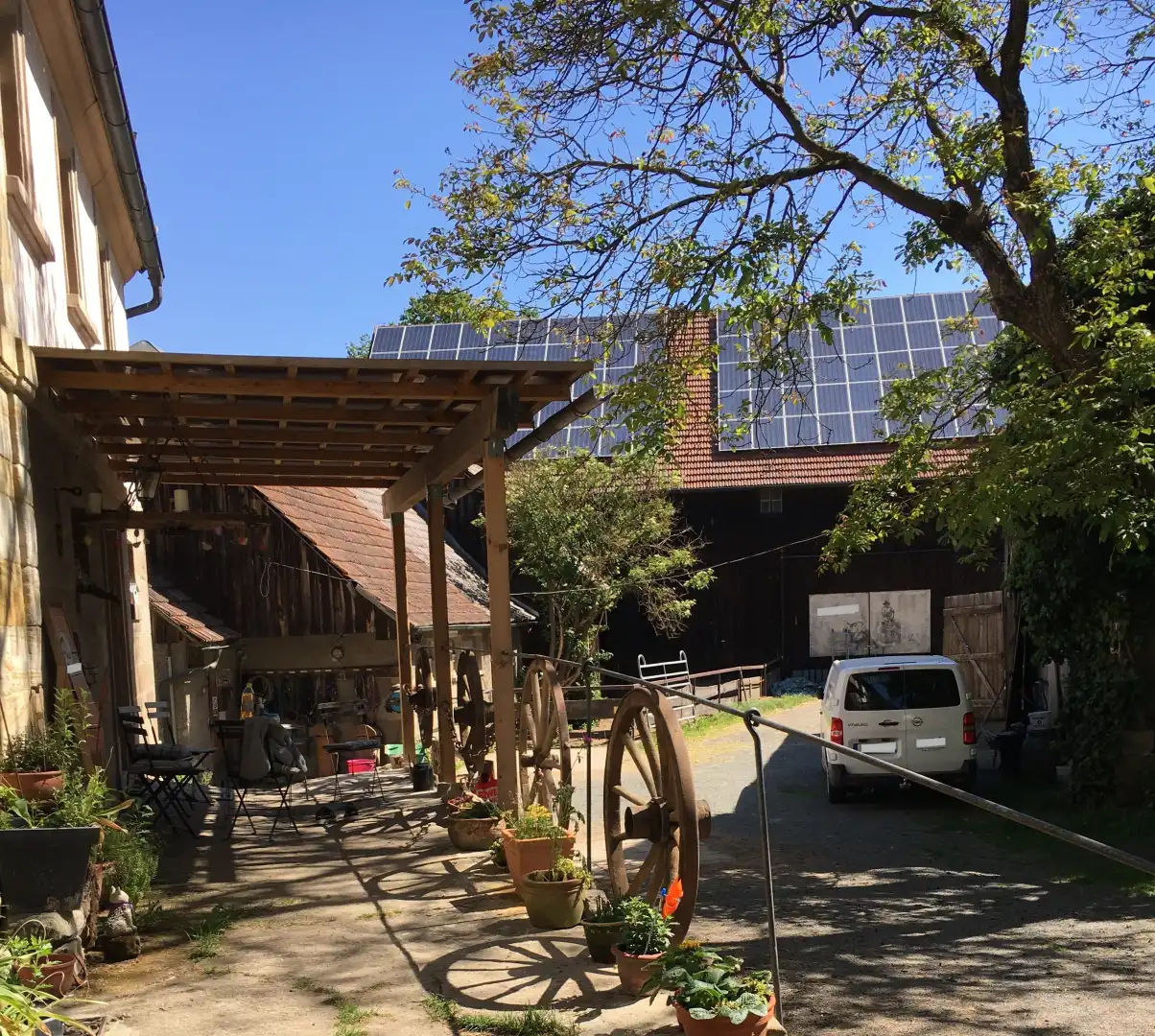
The project comprised the engineering of a hydrogen energy system for the supply of a garden centre with numerous greenhouses and a correspondingly high energy demand. The waste heat from the electrolysis and the fuel cell can be optimally used to heat the greenhouses. The electrical energy to cover the power demand. In summer, the garden centre requires little energy and the photovoltaic system feeds the electrolysis system, which fills the hydrogen storage tank.
Filippo Figari
Projectmanager


.png)


