
ESG criteria with sustainable investments in hydrogen

Fulfil the ESG criteria consistently through sustainable investments as proof for investors on the capital market
ESG (Environment, Social, Governance)
The integration of ESG (environment, social, governance) goals with hydrogen can take place at various levels. Here are some approaches on how hydrogen technologies can contribute to achieving sustainability goals:
Environment:
Green hydrogen: The production of hydrogen by electrolysis using renewable energy sources (such as wind or solar energy) results in so-called "green hydrogen". This reduces carbon emissions compared to conventional hydrogen production, which is often based on fossil fuels.
Social:
Community engagement: Hydrogen-related projects can have a positive impact on local communities, especially if they are designed to strengthen the local economy and promote community engagement.
Governance:
Transparent reporting: companies deploying hydrogen technologies can focus on ensuring transparent reporting on environmental impacts, social responsibility and governance practices.
The successful realisation of ESG goals with hydrogen requires a holistic and integrative approach that considers environmental, social and governance aspects equally. At MSR-Innovations, we work with you to develop sustainable solutions that you can emphasise positively in your reporting.
The pursuit of ESG (Environment, Social, Governance) goals in the context of hydrogen includes the promotion of sustainable production methods, such as the production of green hydrogen through renewable energy, to reduce environmental impacts. At the same time, the use of hydrogen technologies offers the opportunity to create social and economic benefits by creating new jobs and strengthening local communities.
ESG-goals
Sustainability
Reporting for investors, stakeholders, financial markets
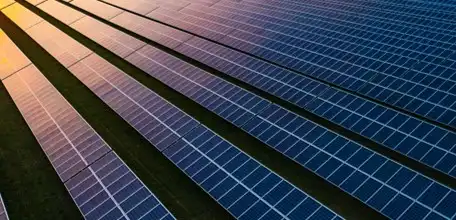
Photovoltaik
- Primary energy generation via PV modules
- Energy consumption coverage
- Use of excess electricity for hydrogen production
- Enabling energy self-sufficient supply systems
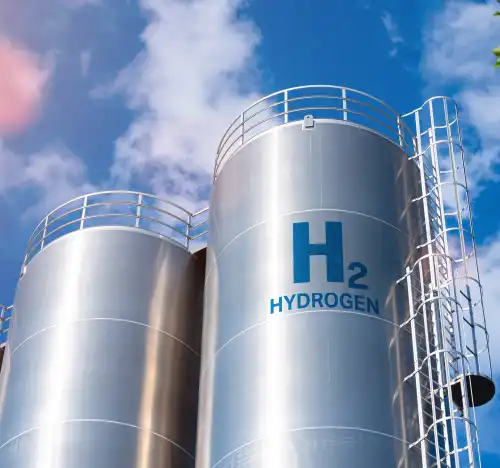
Long-term hydrogen storage
- Seasonal H2 storage
- High-pressure hydrogen storage
- Cylinder bundle storage
- High pressure tank
- 30 to 700 bar
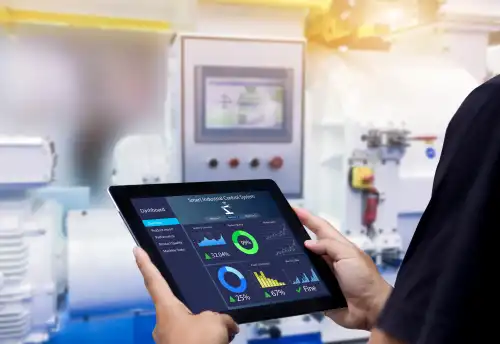
Energymanagementsystem
- Intelligent control of the hydrogen system by means of an energy management system (EMS)
- EMS as the hub of all data
- Visualization of the energy flows
- Plant optimization
- Improvement of economic efficiency & plant availability
- Intelligente Steuerung des Wasserstoffsystems mittels Energiemanagementsystem (EMS)
- EMS als Knotenpunkt aller Daten
- Visualisierung der Energieflüsse
- Anlagenoptimierung
- Verbesserung der Wirtschaftlichkeit & Anlagenverfügbarkeit
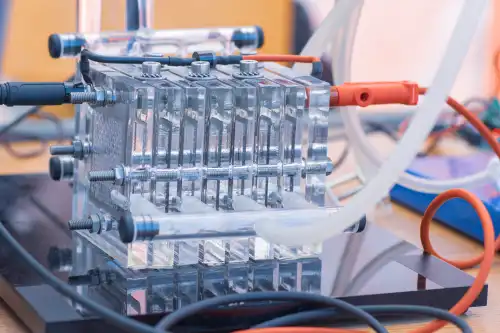
Elektrolysis
- chemical splitting of water (H2O) into hydrogen (H2) and oxygen (O)
- 2 H2O → 2 H2 + O2
- Different processes:
- PEM electrolysis
- AEM electrolysis
- AEL electrolysis
- Chlorine-alkali electrolysis
Fuelcell
- Energy conversion: Conversion of hydrogen into electrical energy
- Fuel cells with high efficiencies of up to 70%.
- no emissions: Fuel cells only generate water and heat as byproducts
- Control range: flexible control according to consumption requirements

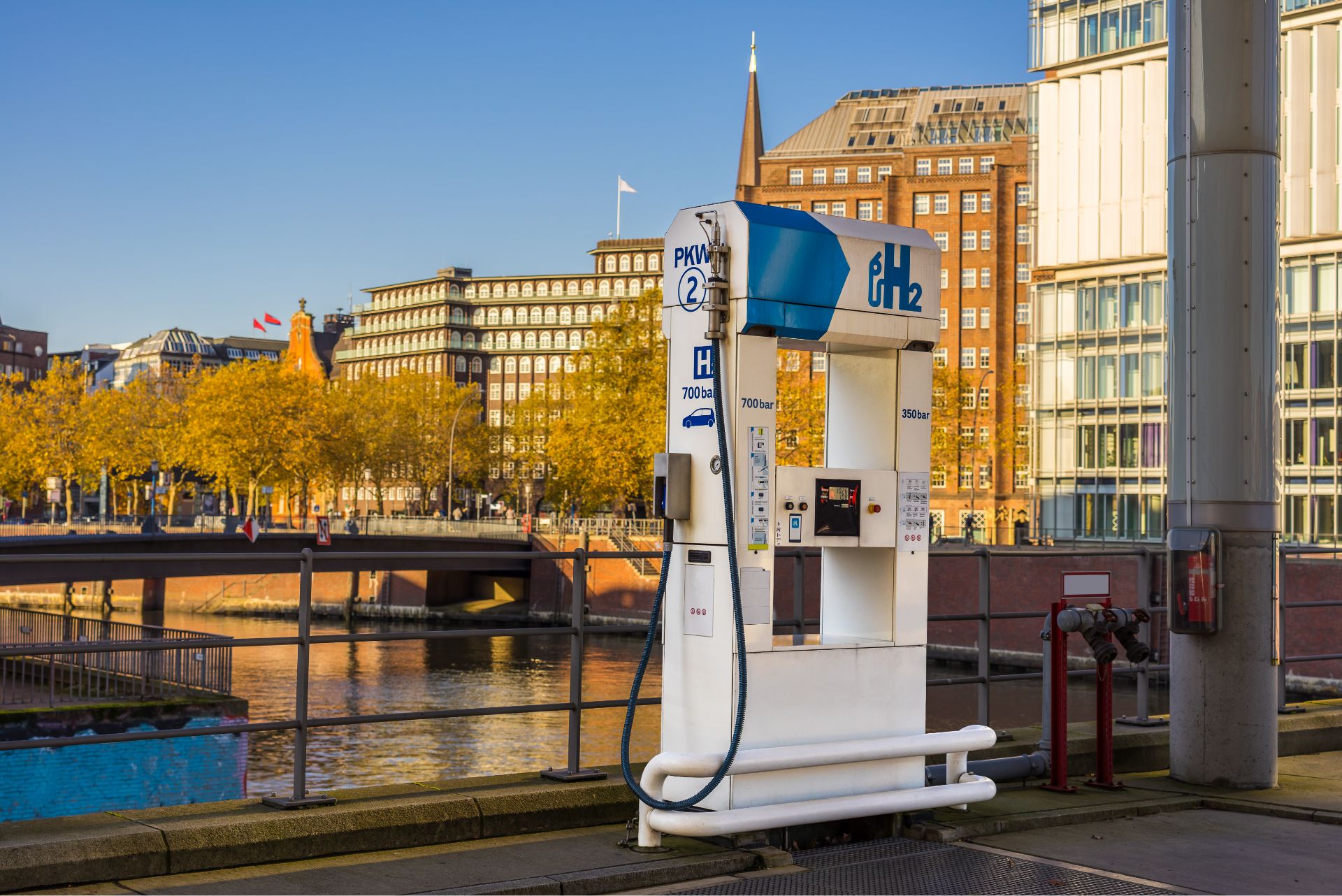
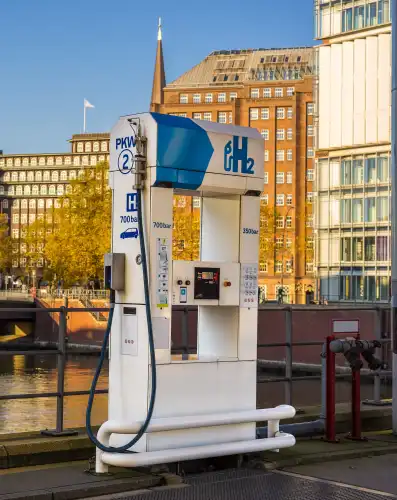
Hydrogen filling station
- Hydrogen delivery
- Own generation by means of electrolysis
- Intermediate storage
- Hydrogen dispenser
- Integration of electric charging stations
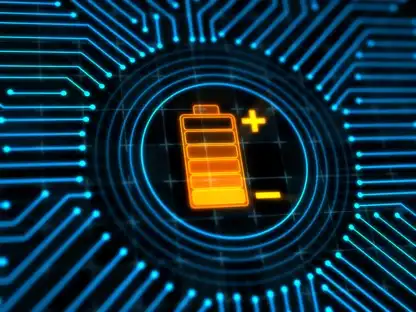
Battery
- Short-term power storage using battery technology
- Extremely high efficiencies
- Day-night balance
- Optimization of the self-consumption rate and energy autrakia
- Buffer storage for electrolysis and fuel cell operation
Hydrogen CHP
- CHP through the combustion of H2 in reciprocating engines
- Coupling of waste heat into a heating system
- Power generation via generator
- High efficiency
- Simple system integration by replacing the old natural gas CHP unit

Hydrogen condensing boiler
- 100% hydrogen condensing boiler
- Innovative building heating
- Heat supply 100% regenerative
- Easy integration into heating system by replacing the natural gas boiler
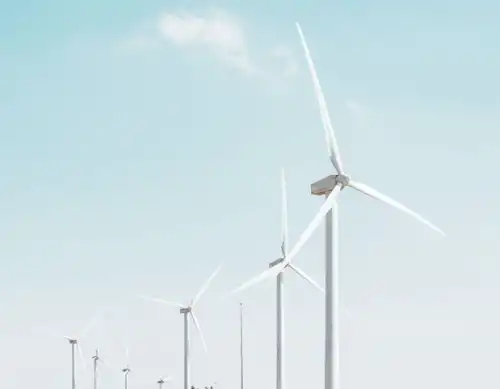
Wind power
- Hydrogen production using green electricity from wind power
- Electrolysis Plant
- PPA - Power Contract Management
- Intelligent power supply during periods of high wind speeds
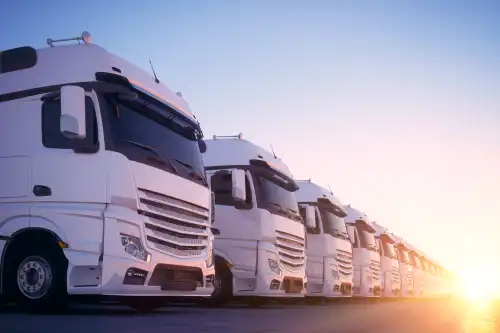
Hydrogen vehicles
- Hydrogen vehicle fleet
- Cars
- Trucks
- Buses
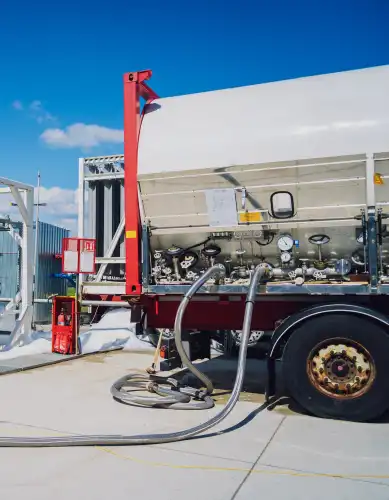
Hydrogen transport
- Hydrogen transport by road, rail & ship
- Trailer filling & acceptance stations
- Construction transport network
- Hydrogen transport by road, rail & ship
- Trailer filling & acceptance stations
- Construction transport network
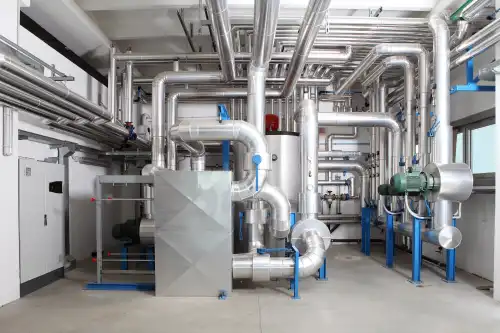
Hydrogen distribution
- Piping systems for hydrogen distribution
- Hydraulic systems
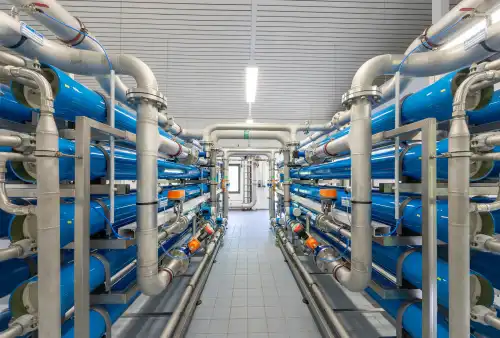
Hydrogen energy system
- Electrolysis for the production of hydrogen
- Hydrogen storage
- Fuel cell for generating electricity from hydrogen
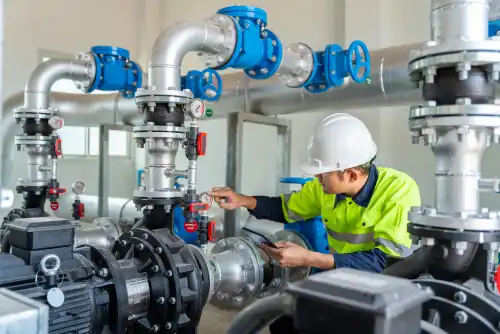
Synthesis gas process
- Feedstocks: natural gas or coal as main components.
- Reforming: Chemical reactions to convert feedstocks into synthesis gas.
- Product: Synthesis gas consists of hydrogen (H2) and carbon monoxide (CO).
- The deposited carbon compounds are used in industrial processes
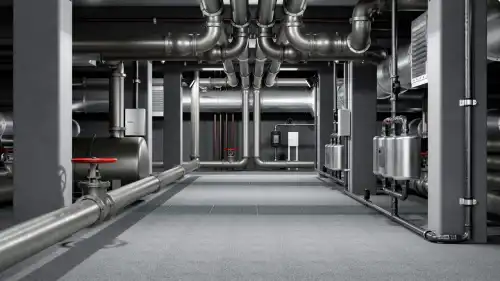
Biogas reforming
- Biogas reforming: production of hydrogen from biogas.
- Use of catalysts: Use of catalysts for accelerated reaction.
- Methane reforming: conversion of the methane content in biogas into hydrogen and carbon dioxide.
- Renewable energy source: Use of sustainably produced biogas as a feedstock for hydrogen production.
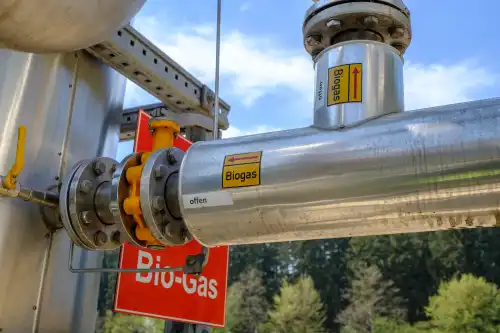
Pyrolysis
- Pyrolysis: Thermal decomposition of organic materials to produce hydrogen.
- Oxygen-free environment: Process takes place in the absence of oxygen.
- Thermodynamic conditions: High temperatures and pressures are applied in a controlled manner.
- Biomass as a raw material: Use of renewable raw materials such as biomass to produce hydrogen.

Project consulting
MSR-Innovations is the partner at your side with a broad and profound know how about latest technologies in the field of hydrogen and automation.

Funding acquisition
Through our experience and continuous research as well as a broad network, we always have an eye on the funding opportunities.

public relation
Energy projects polarize. Society's attention to energy projects of any kind is constantly growing.
We know how to deal with this and advise you on publishing your plans and hold information sessions and workshops.
We know how to deal with this and advise you on publishing your plans and hold information sessions and workshops.

Logistical coordination
MSR-Innovations coordinates the components of a plant and the underlying logistical coordination measures during the implementation phase as a planning partner. This includes the organization in terms of time and place as well as the planning of access routes and checking building accessibility.
Approval process
We understand the complexities involved in the permitting process for hydrogen projects and pride ourselves on being able to successfully overcome these challenges.
Component compatibility
The complexity of an energy system for storing electricity and hydrogen is high. We work with a large number of manufacturers for various components in order to develop an optimal overall system from the best individual modules on the market. The interfaces of the different units pose a challenge, which we can effectively solve with the integration of the higher-level energy management system.
Funding acquisition
Thanks to our experience, we know which funding opportunities exist and which contact to address. In addition, we regularly explore new opportunities for application-related funding.
Choice of location
For the site selection of hydrogen plants, certain requirements have to be checked. We support our customers in the selection of suitable sites or premises in buildings.
Public participation
The planning of large-scale projects in the energy sector can meet with resistance or skepticism from the public. Here, it is important to convince people of the advanced and safe technology and to explain the advantages.
Coordination in the implementation phase
During the implementation of construction measures, various manufacturers, installers and planning companies work together. MSR-Innovations ensures the coordination of all parties and smooth processing.
Automotive industry
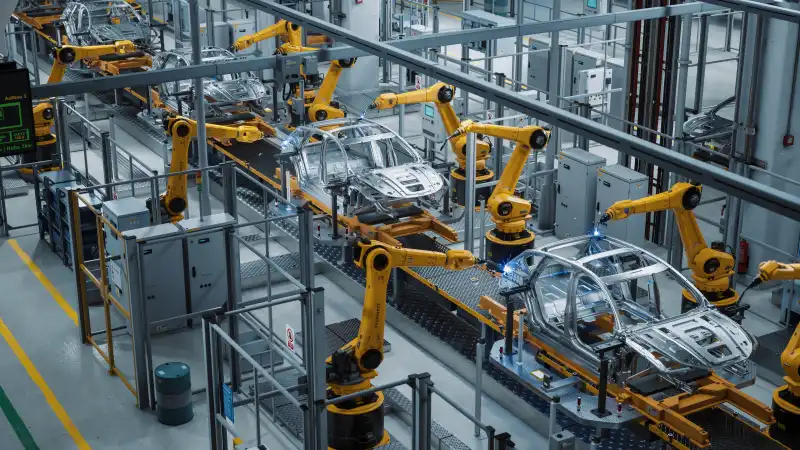
The automotive industry is an energy-intensive sector that offers a wide range of applications for hydrogen.
Municipalities
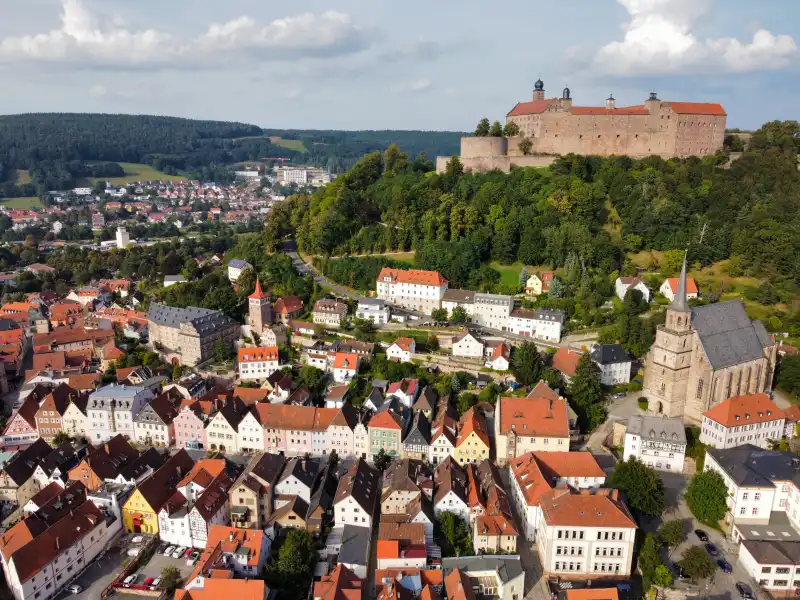
Municipalities recognize the need to convert their energy supply. Hydrogen is the path to decarbonization.
Pharmaceutical industry

The production of medical products is often enormously energy-intensive and requires modern automation.
Food industry

The production of food is often extremely energy-intensive.
Logistics
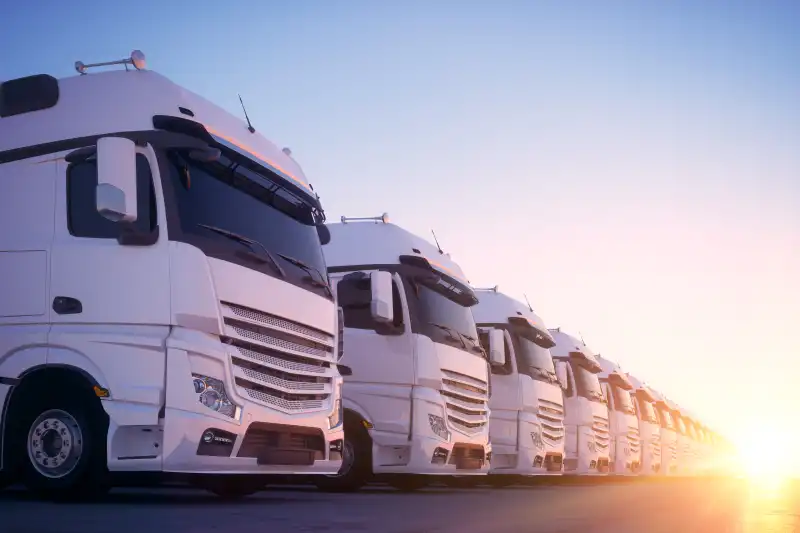
The logistics industry often offers extremely large roof areas for the use of PV systems.
Hydrogen Mobility
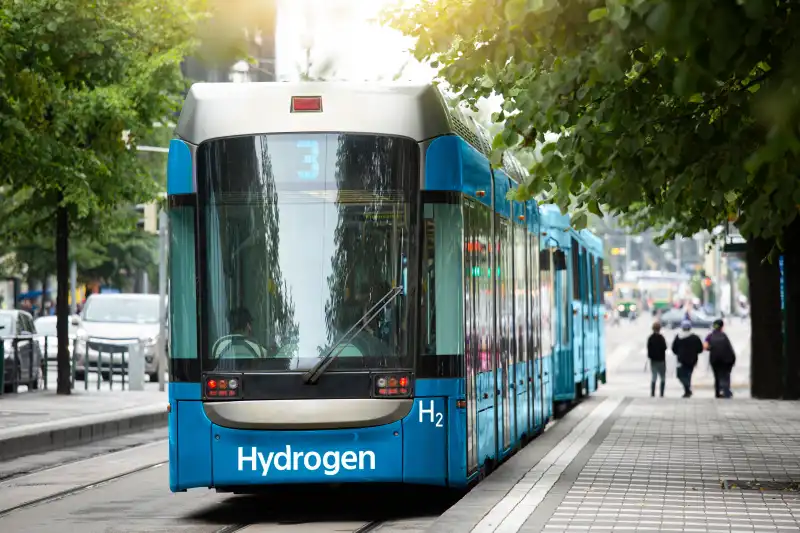
Heavy-duty transport, automobiles, buses and trains require an increasing hydrogen infrastructure.
Manufacturing industries
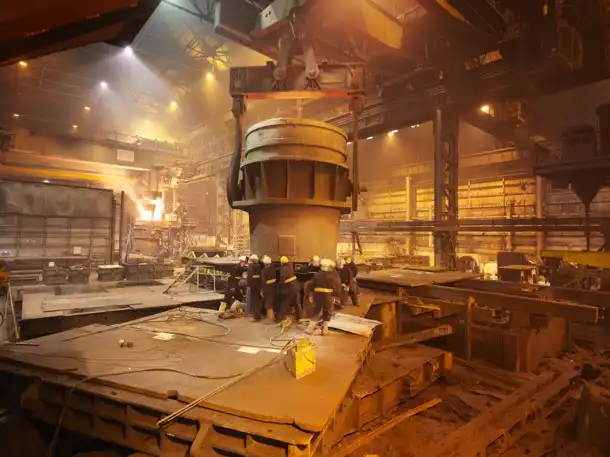
Sustainable hydrogen plant design for manufacturing industries.
Real estate sector

Residential neighborhoods, blocks of houses and apartment buildings can be optimally supplemented with hydrogen energy systems
Chemical production plants
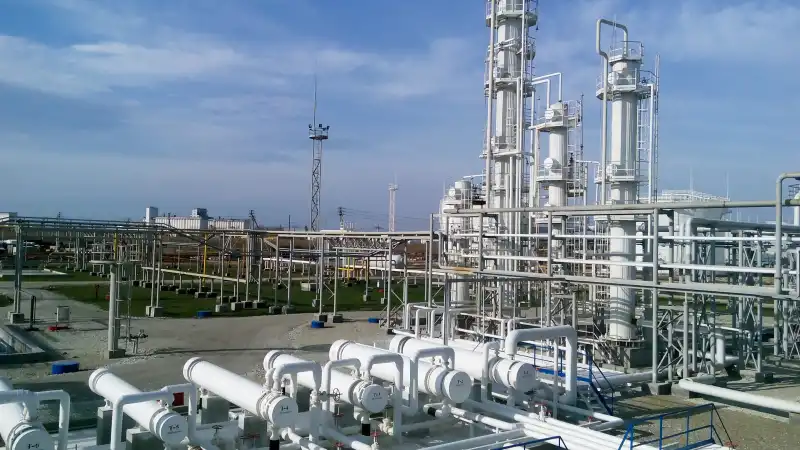
PtX plants such as electrolysers belong to the chemical energy conversion industry.
Public facilities

City halls, schools and other public facilities will need modern automation technology in the future.

.png)


