Energy management system at several universities in Baden-Württemberg
Building automation
Our servicesWe took over the specialist planning of the technical equipment in the KG 410, KG 420, KG 440 and KG 480 areas. The aim was to centrally record all media consumption in order to enable a detailed analysis and control of the energy flows. Various communication protocols such as M-Bus, Modbus RTU, Modbus TCP and BACnet IP were integrated in order to create a uniform database.
HVAC control
Modbus TCP/RTU for efficient heating, ventilation and air conditioning control
Energy monitoring & consumption analysis
M-Bus for precise consumption data acquisition and optimization
Intelligent building communication
BACnet IP enables seamless communication between different building technologies and offers flexible control and monitoring of systems.
Flexible system integration through cloud technology
With cloud connectivity, building systems can be flexibly monitored and controlled remotely, enabling location-independent management.
Project partnerVermögen und Bau Baden-Württemberg
Budget of the project220.000 €
Duration of the projectJune 2024 - ???
In practice, this meant installing intelligent metering and measuring systems that are able to record consumption data precisely and on a building-specific basis. This data was transferred to a central system that enables continuous monitoring and analysis.
The targeted evaluation of consumption data enables load peaks to be identified, savings measures to be derived and optimization potential to be exploited. The central data platform also makes energy management easier for the universities, as all relevant information is available in a bundled form.
A particular focus was placed on making the system future-proof: New technologies and additional buildings can be easily integrated. The successful implementation not only increased the transparency of energy consumption, but also created a basis for more sustainable operation.
The targeted evaluation of consumption data enables load peaks to be identified, savings measures to be derived and optimization potential to be exploited. The central data platform also makes energy management easier for the universities, as all relevant information is available in a bundled form.
A particular focus was placed on making the system future-proof: New technologies and additional buildings can be easily integrated. The successful implementation not only increased the transparency of energy consumption, but also created a basis for more sustainable operation.
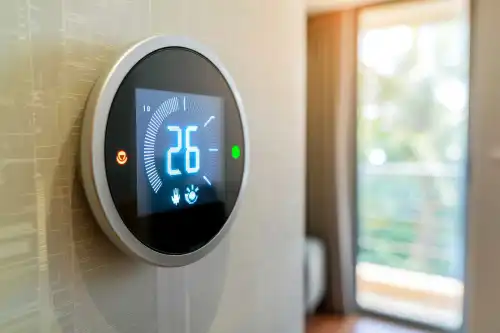
Heat / cold meter
- Measurement of thermal energy
- High measurement accuracy
- Consumption optimization
- Integration into automation systems
- For heating and cooling systems
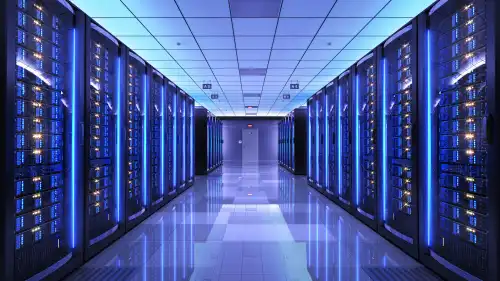
IT infrastructure
- Robust network architecture for automation systems
- Data processing and transmission in real time
- Ensuring stable communication between devices
- Compatibility with modern automation solutions
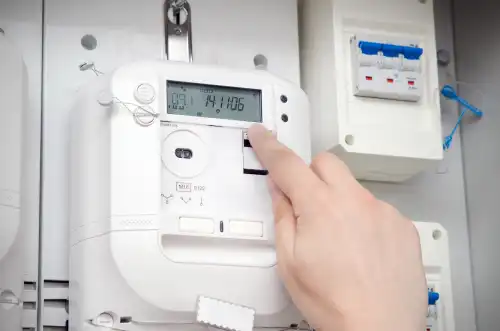
Energy meter
- Precise measurement of energy consumption
- Monitoring of electricity, gas, water and heat
- Data recording for efficient energy planning
- Integration into higher-level building management systems
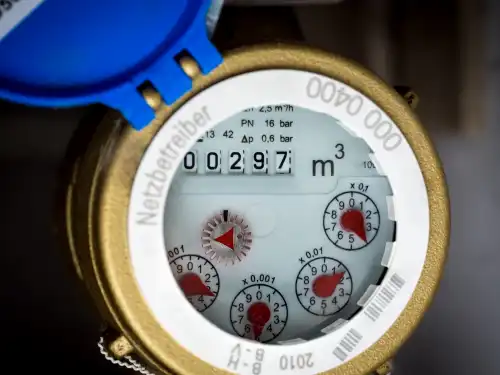
Water meter
- Measurement of water consumption in buildings
- Integration into systems for consumption optimization
- Reliable recording and data logging
- Support for sustainable resource use
Gas meter
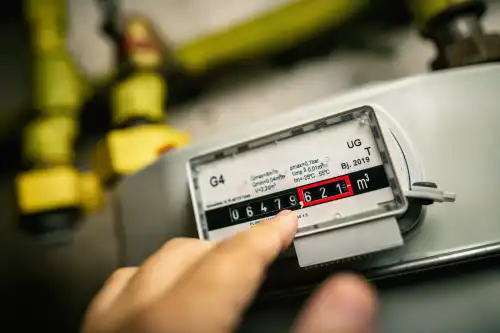
- Measurement of gas consumption
- Precise recording for cost and consumption optimization
- Integration in building automation and energy management
- Real-time data for efficient control
Gateways
- Communication between different systems and networks
- Integration of devices with different protocols
- Flexible solution for connecting devices to a central system
- Optimization of data transmission and processing


.png)


