
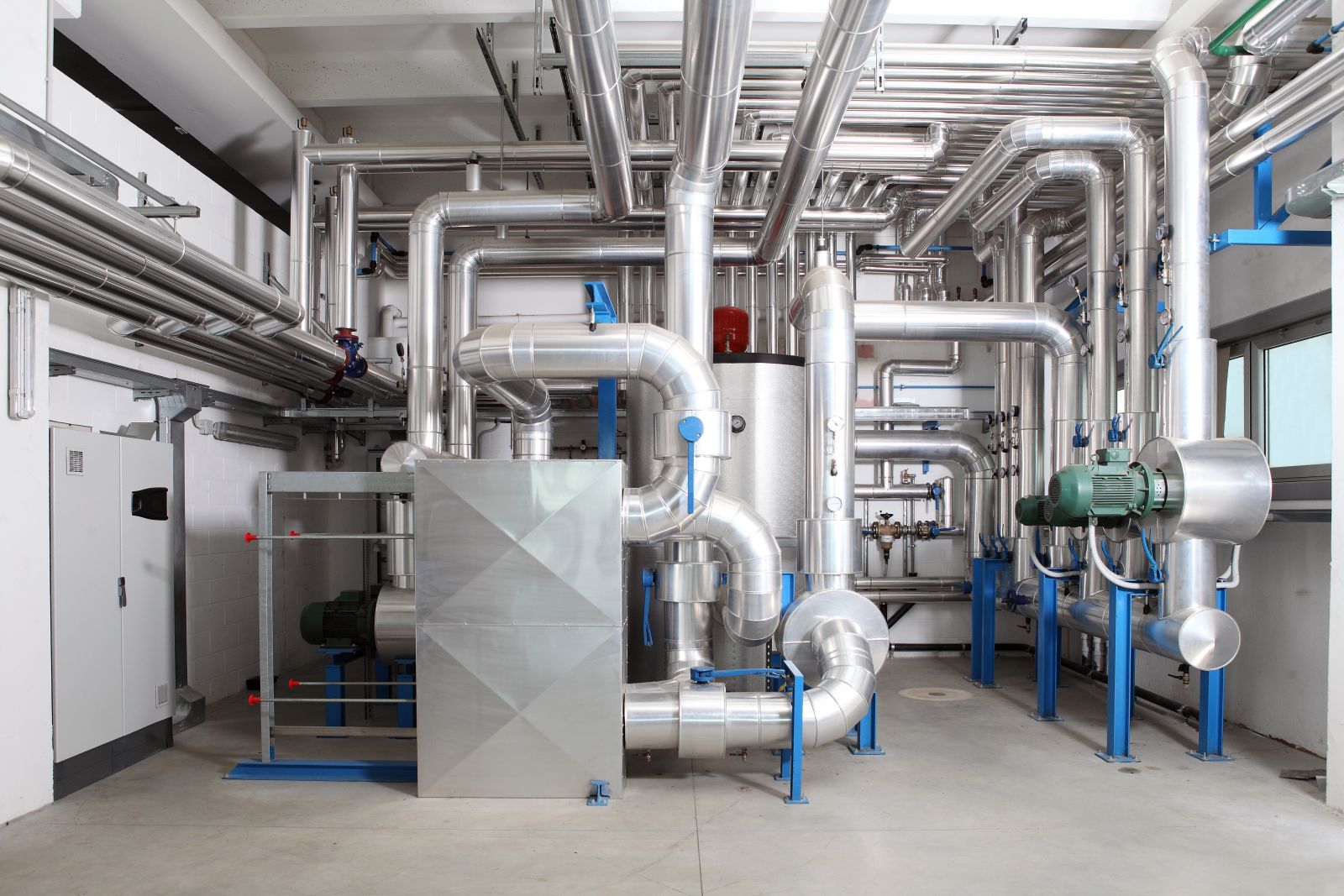
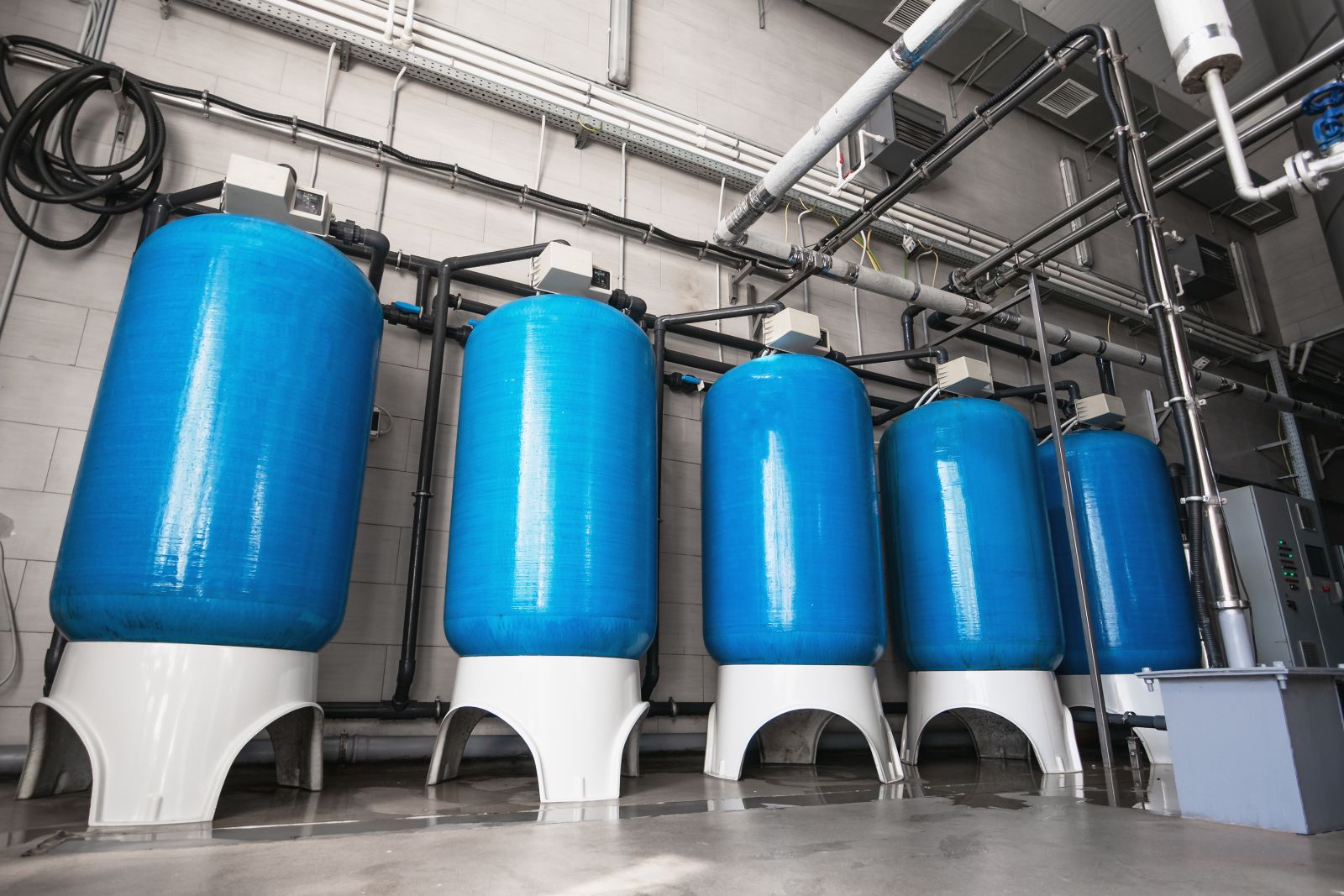
Specialist planning of all service phases of building automation in an energy center
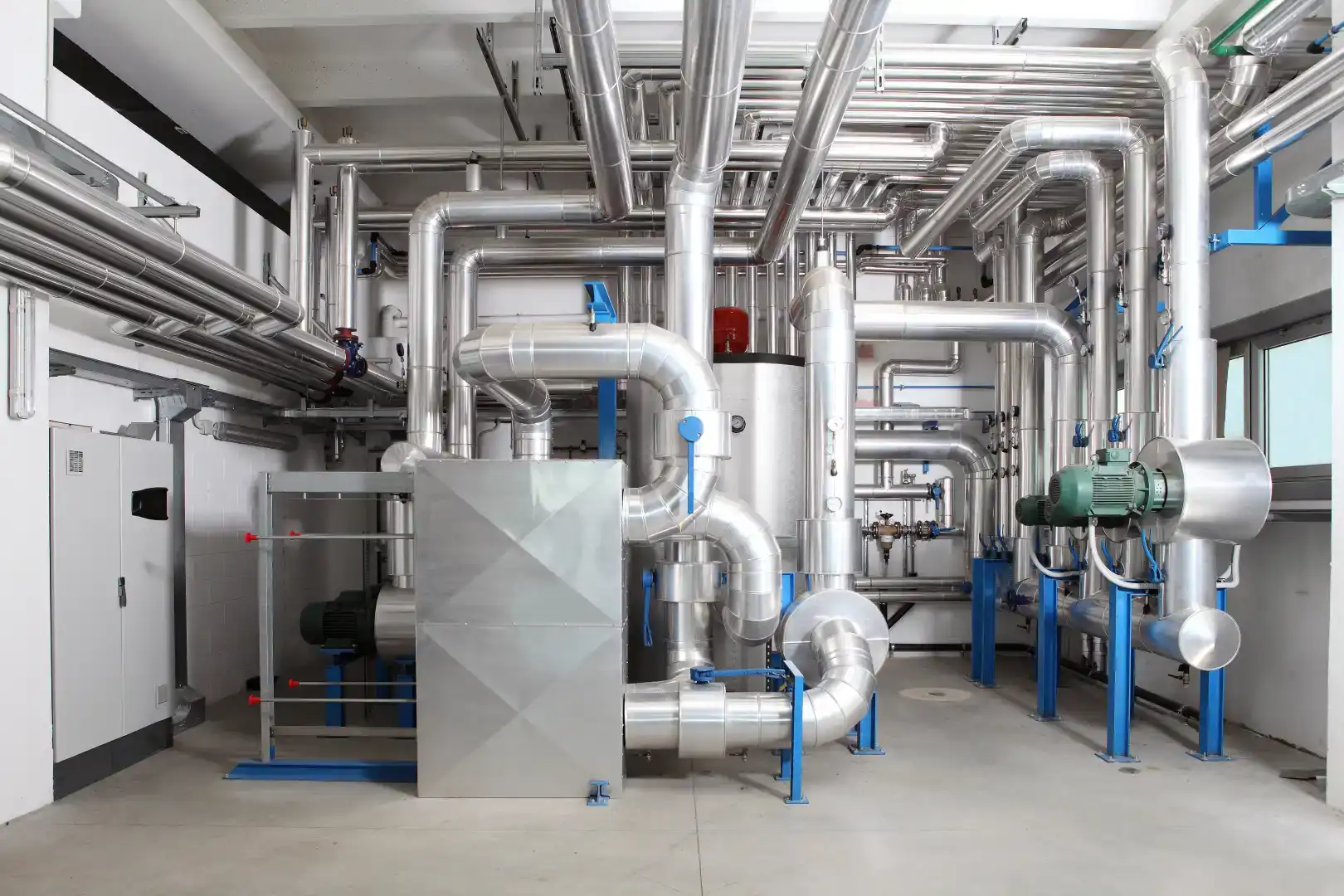
Building automation
Our servicesOur task consisted of the complete specialist planning of the building automation and the integration of various communication protocols such as Modbus IP, Modbus RTU, BACnet, OPC UA, M-Bus, wMBus, TCP/IP and OCPP. The aim was to create a standardized control platform that reliably connects all systems.
HVAC control
Modbus TCP/RTU for efficient heating, ventilation and air conditioning control
Energy monitoring & consumption analysis
M-Bus for precise consumption data acquisition and optimization
Intelligent building communication
BACnet IP enables seamless communication between different building technologies and offers flexible control and monitoring of systems.
Management operating level
The management operating level serves as a central interface for controlling and monitoring all building automation devices, with a user-friendly interface.
Optimize energy consumption
Energy consumption is analyzed by using meters to record energy data. As a result, the energy systems can be optimized.
Heat supply with local heating networks
The local heating network 4.0 offers a sustainable and efficient solution for supplying heat to buildings using renewable energy sources.
Hydrogen production with electrolyzers
An electrolyzer produces hydrogen from water and contributes to sustainable energy storage, especially in combination with fuel cells.
Efficient energy generation
Fuel cells efficiently convert hydrogen into electrical energy without emissions.
Sustainable storage
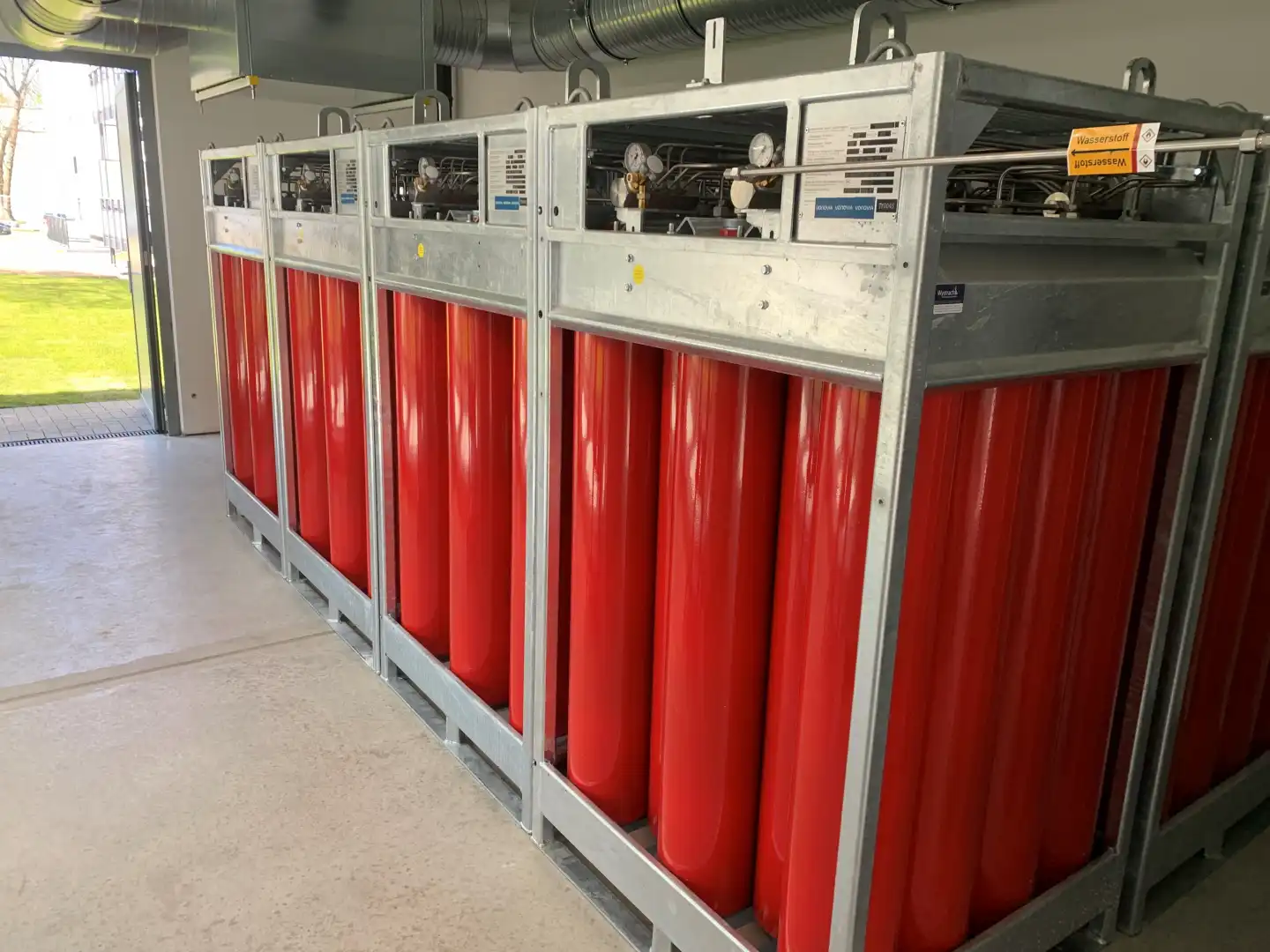
Hydrogen storage systems enable the seasonal storage of hydrogen under high pressure (up to 700 bar) and make it available for energy supply when required.
Optimization of the energy supply
Battery storage systems are used for short-term electricity storage and help to optimize the self-consumption rate and stabilize the energy supply.
Intelligent transportation solutions
Smart mobility integrates electric vehicles and intelligent transportation systems to make traffic more efficient and reduce CO₂ emissions.
Efficient heat storage
Stratified storage tanks store heat efficiently and can release it to heating systems as required in order to optimize energy consumption.
Efficient energy distribution
Decentralized residential building transfer stations distribute heat and energy efficiently in large residential complexes and offer flexible control of the supply.
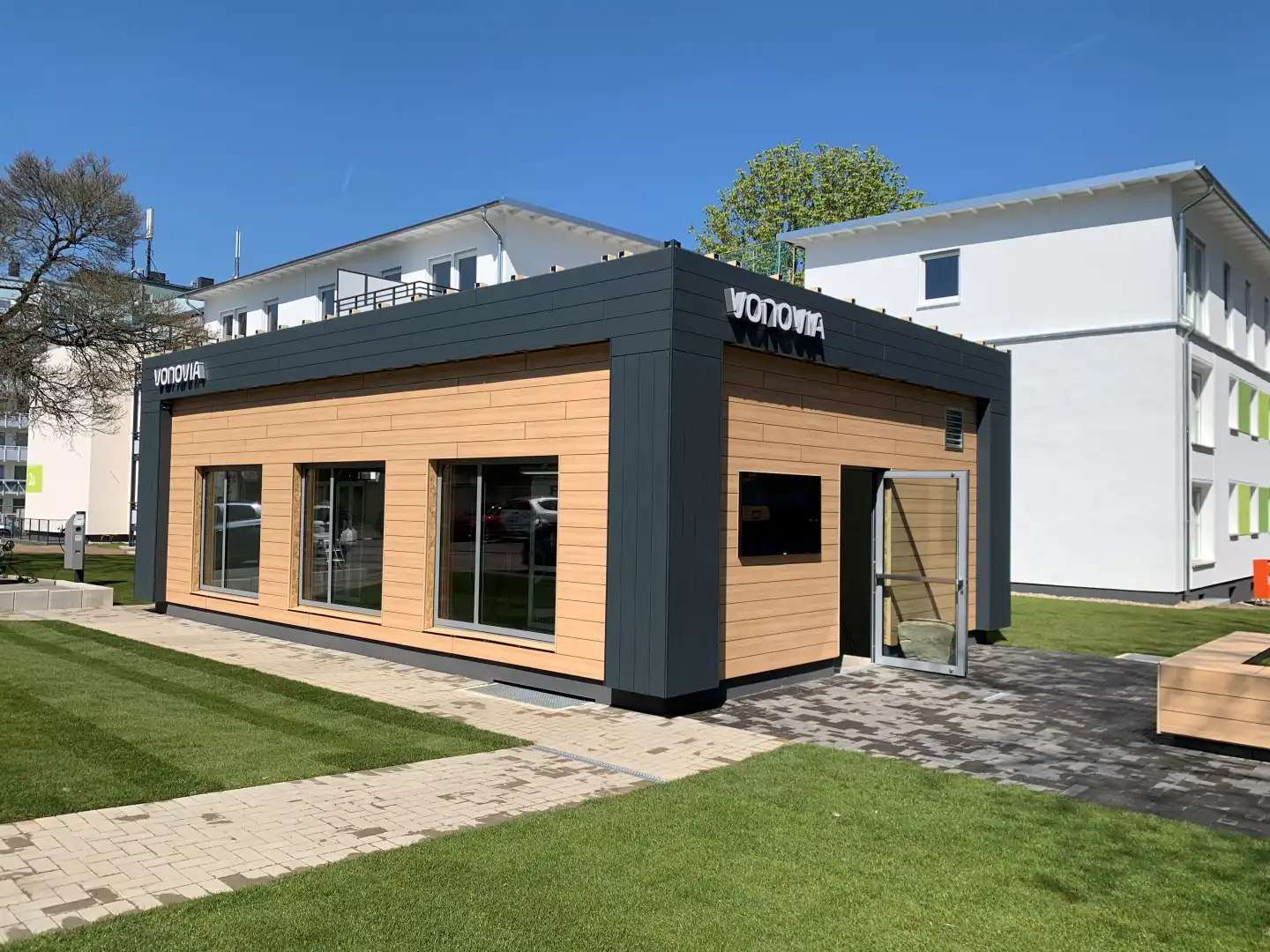
Project partnerVONOVIA SE
Budget of the project720.000 €
Duration of the projectAugust 2020 - September 2024
The energy center required a highly complex integration of a wide variety of systems. Due to the large number of communication protocols used, special interfaces had to be developed to enable smooth collaboration.
Our experts analyzed the existing technical requirements and developed a comprehensive solution that connects all relevant systems. Particular attention was paid to secure and efficient data transmission in order to ensure trouble-free operation.
Thanks to the successful implementation, all relevant energy flows can now be monitored and controlled centrally. This leads to an optimized use of resources, better load distribution and a long-term reduction in operating costs.
Our experts analyzed the existing technical requirements and developed a comprehensive solution that connects all relevant systems. Particular attention was paid to secure and efficient data transmission in order to ensure trouble-free operation.
Thanks to the successful implementation, all relevant energy flows can now be monitored and controlled centrally. This leads to an optimized use of resources, better load distribution and a long-term reduction in operating costs.
Elektrolysis
- chemical splitting of water (H2O) into hydrogen (H2) and oxygen (O)
- 2 H2O → 2 H2 + O2
- Different processes:
- PEM electrolysis
- AEM electrolysis
- AEL electrolysis
- Chlorine-alkali electrolysis
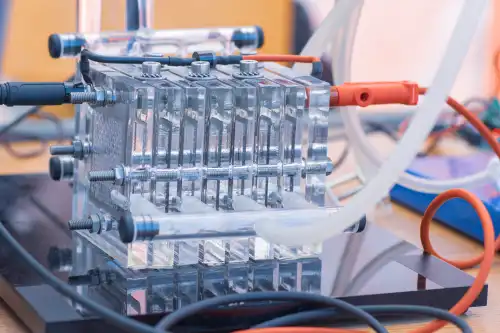
Fuelcell
- Energy conversion: Conversion of hydrogen into electrical energy
- Fuel cells with high efficiencies of up to 70%.
- no emissions: Fuel cells only generate water and heat as byproducts
- Control range: flexible control according to consumption requirements
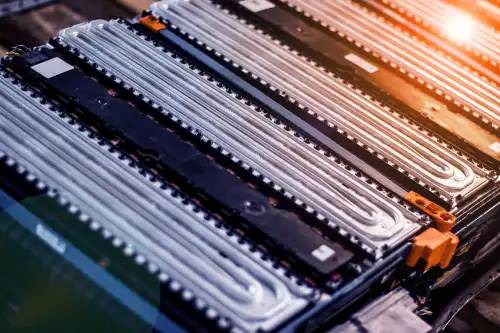
Battery
- Short-term power storage using battery technology
- Extremely high efficiencies
- Day-night balance
- Optimization of the self-consumption rate and energy autrakia
- Buffer storage for electrolysis and fuel cell operation
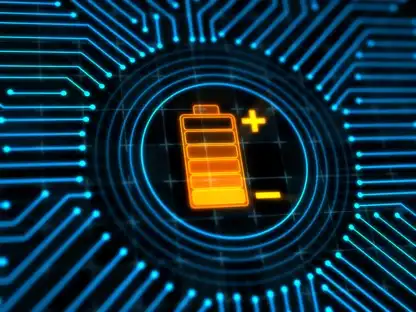
Smart Meter
- Recording of the energy flows
- Live data acquisition
- Data processing in EMS
- Plant optimization
- Analysis of the economic efficiency & plant parameters

Control cabinets
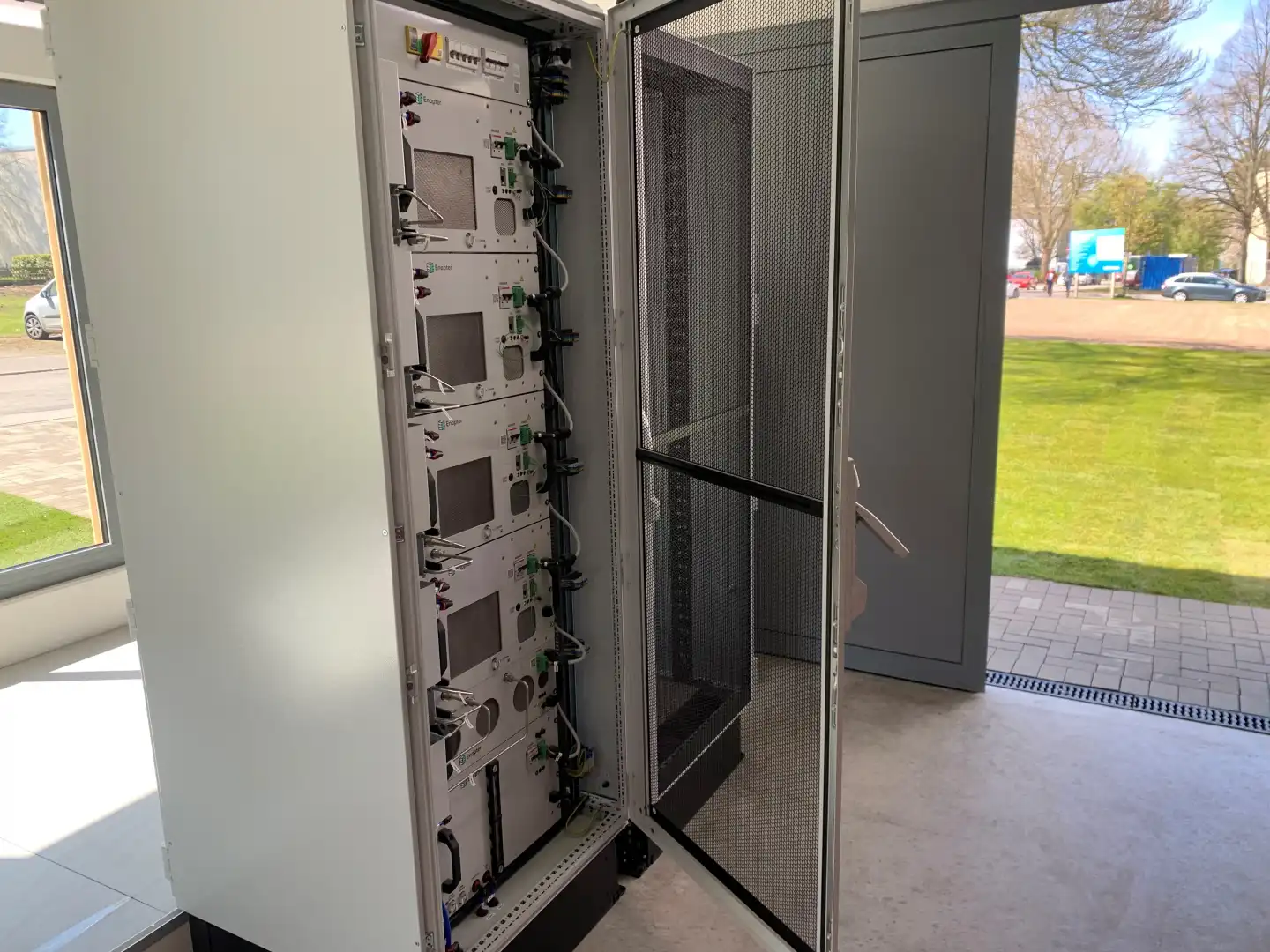
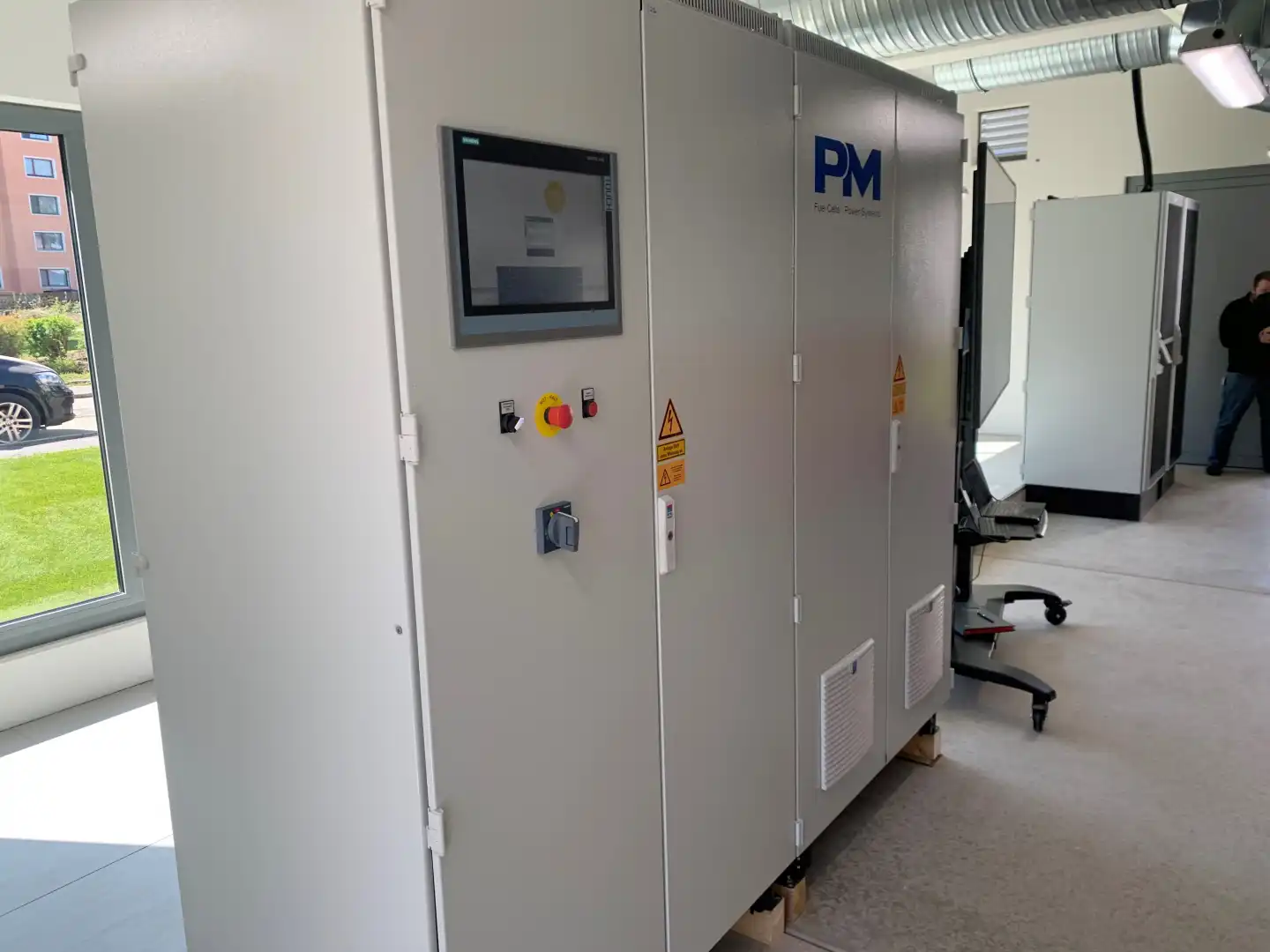
The heart of building automation is the I&C control cabinets.

Smart connectivity
An intelligent system for controlling all relevant components in buildings.
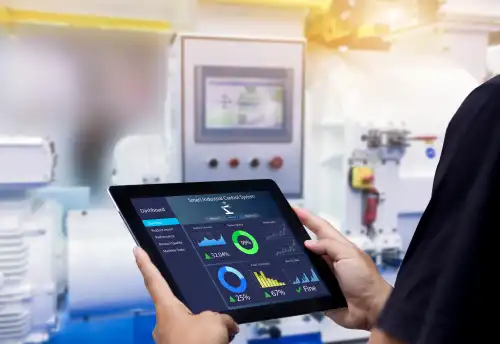
Heat / cold meter
- Measurement of thermal energy
- High measurement accuracy
- Consumption optimization
- Integration into automation systems
- For heating and cooling systems
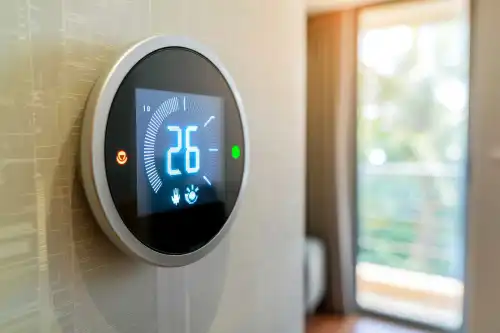
Actuators
- Control of heating, ventilation and air conditioning systems
- Precise control of temperature and humidity
- Compact design
- Reliable communication with control systems
- Use in modern building automation systems

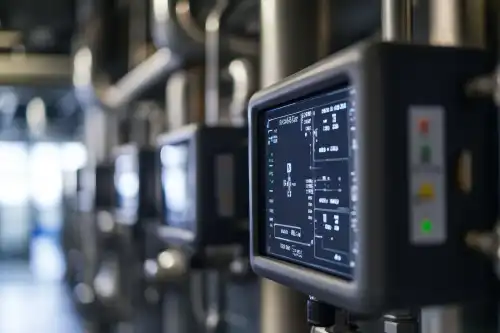
Sensors
- Measurement of temperature, humidity and pressure
- Detection of CO₂ values and other environmental parameters
- High precision and reliability
- Integration into room and building control systems
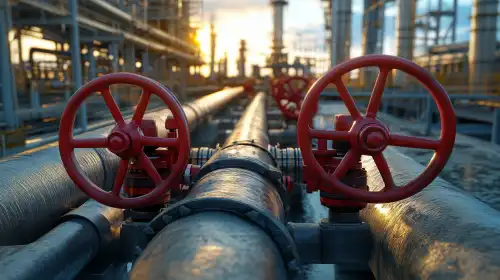
Valves
- Precise control of liquid and gas flows
- Use in heating, cooling and ventilation systems
- Reliability in demanding environments
- Easy integration into automation processes
IT infrastructure
- Robust network architecture for automation systems
- Data processing and transmission in real time
- Ensuring stable communication between devices
- Compatibility with modern automation solutions

Management level
- Centralized control and monitoring of systems
- Integration of SCADA systems and BMS
- Optimization of operations management through real-time data
- Support for long-term operating strategies


.png)


