
Decarbonisation of a wine farm
Hydrogen
Decarbonisation of a winery with pyrolysis and hydrogen system
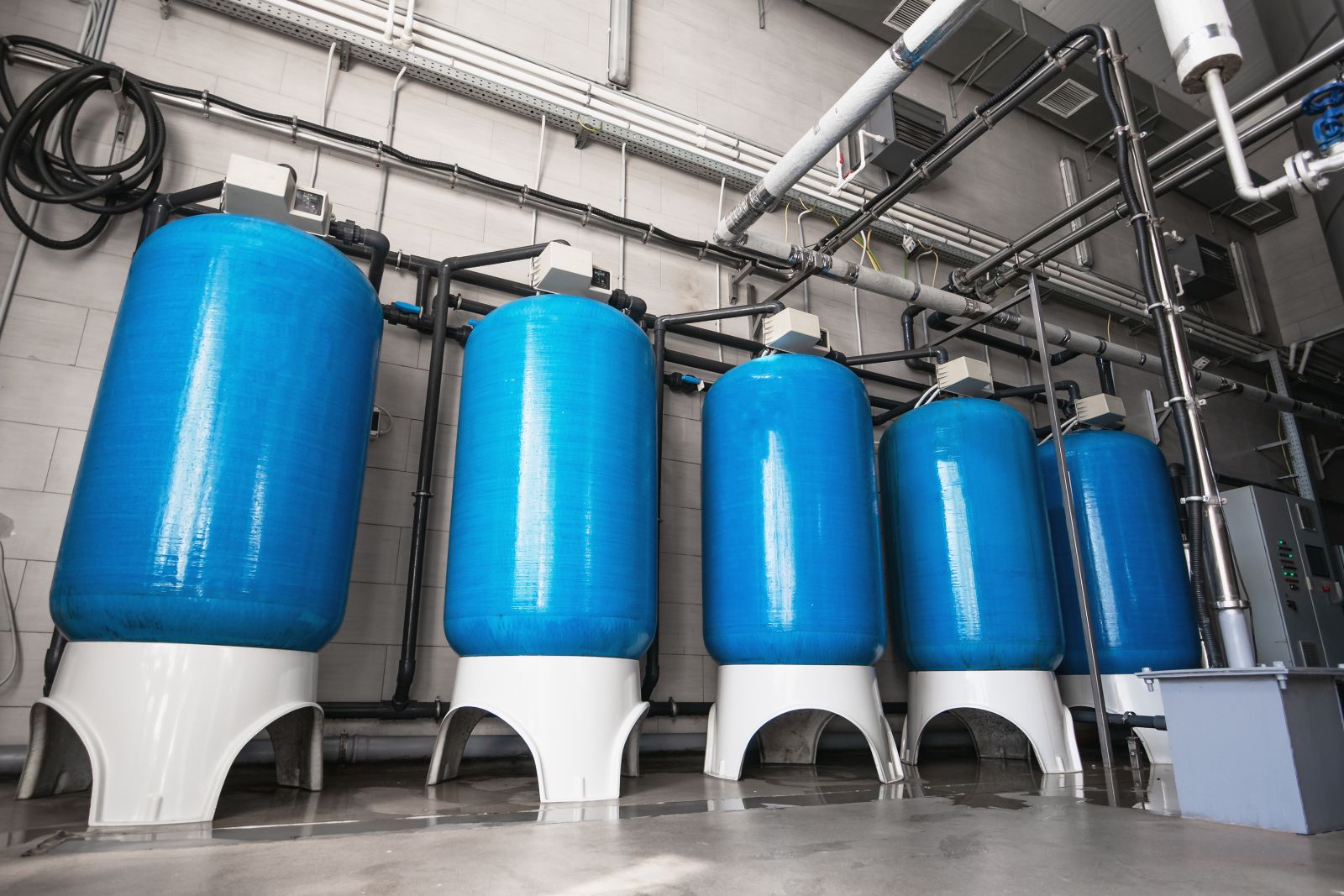
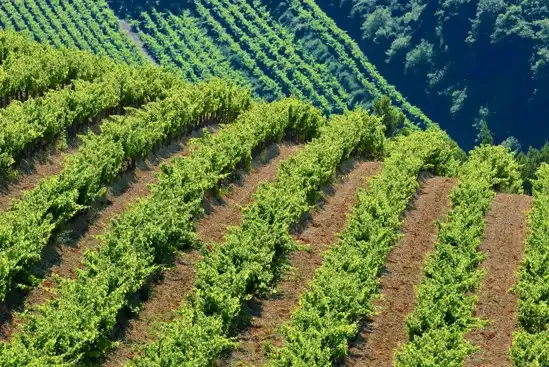
The project to develop a concept for decarbonising an agricultural vineyard began with a workshop at our client's premises. It was important for the client to move away from natural gas as the number one energy source.At the beginning, the energy-intensive processes of the farm were analysed and an overview was created. The next step was an energy potential analysis, in which savings possibilities as well as alternative plant technology were examined on an application-specific basis. Hydrogen as an energy carrier, which is to be produced in summer with the surplus electricity from the PV system, can serve as a long-term storage and supply the farm in winter.
The use of a pyrolysis plant as the main source of hydrogen production was also explored. Hydrogen can be produced effectively and efficiently through the gasification of biomass, which is carried out from agricultural waste. Alternatively, biogas reforming can play a role.
The solution concepts developed provide the basis for the modernisation of the winegrowing operation in the future.
We look forward to moving further into the future and into decarbonised wine production with our client.
Photovoltaik
- Primary energy generation via PV modules
- Energy consumption coverage
- Use of excess electricity for hydrogen production
- Enabling energy self-sufficient supply systems
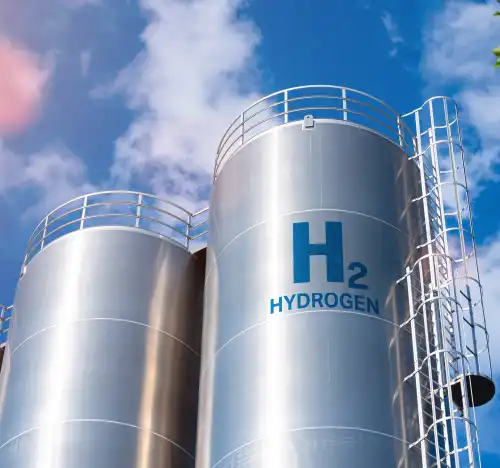
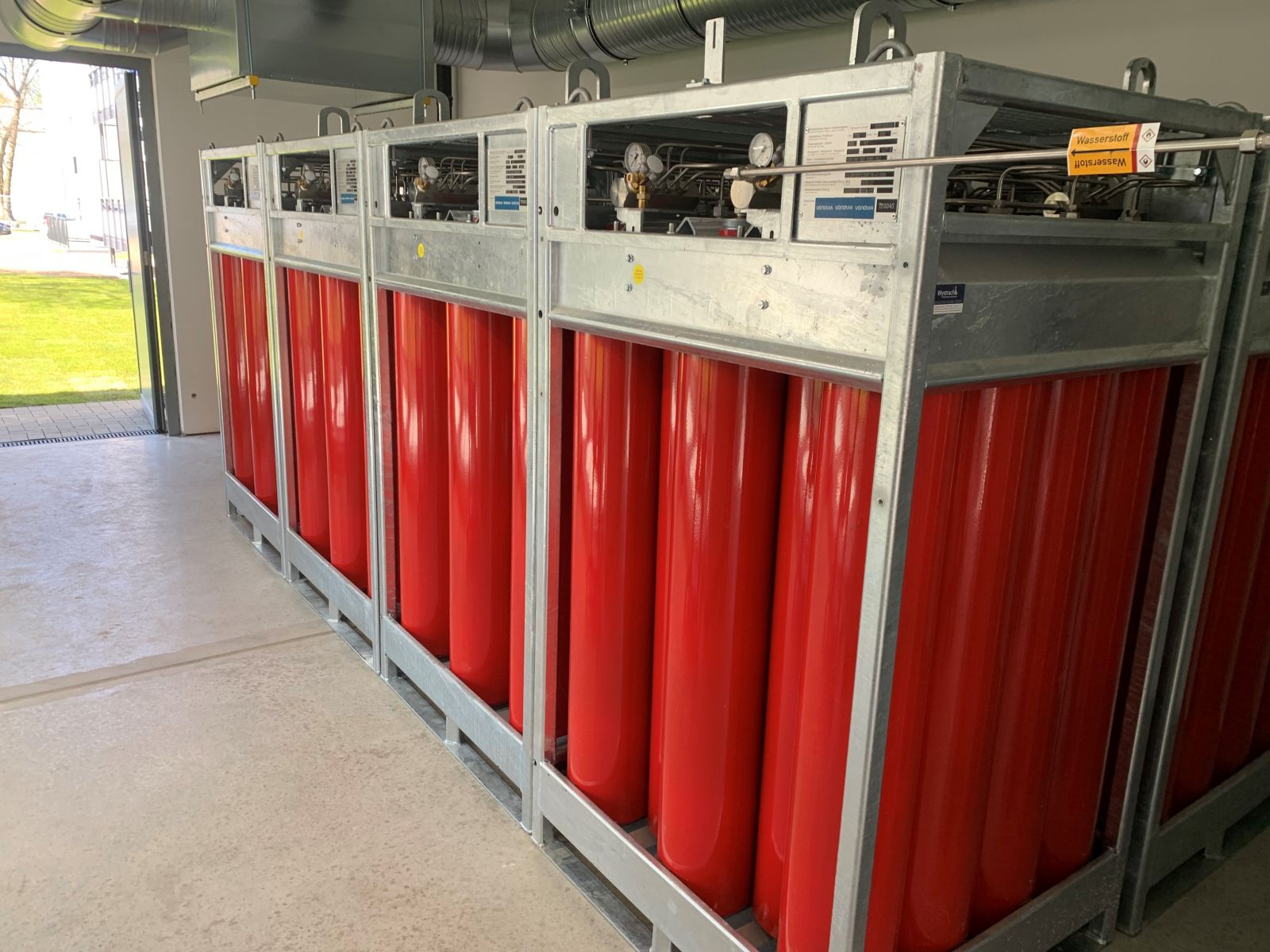
Long-term hydrogen storage
- Seasonal H2 storage
- High-pressure hydrogen storage
- Cylinder bundle storage
- High pressure tank
- 30 to 700 bar
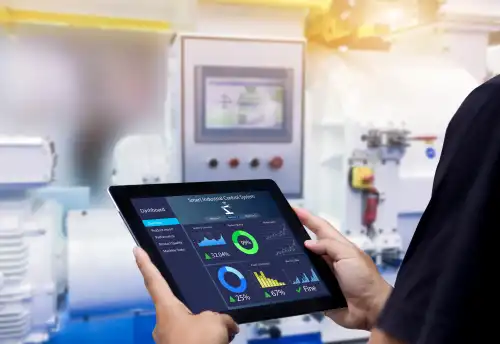
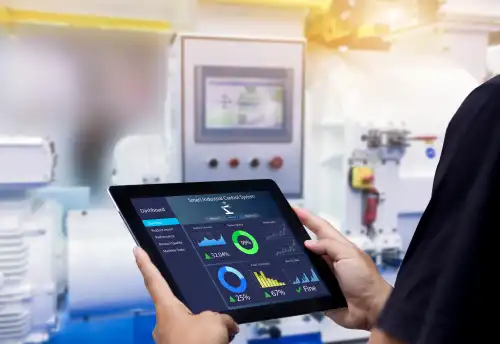
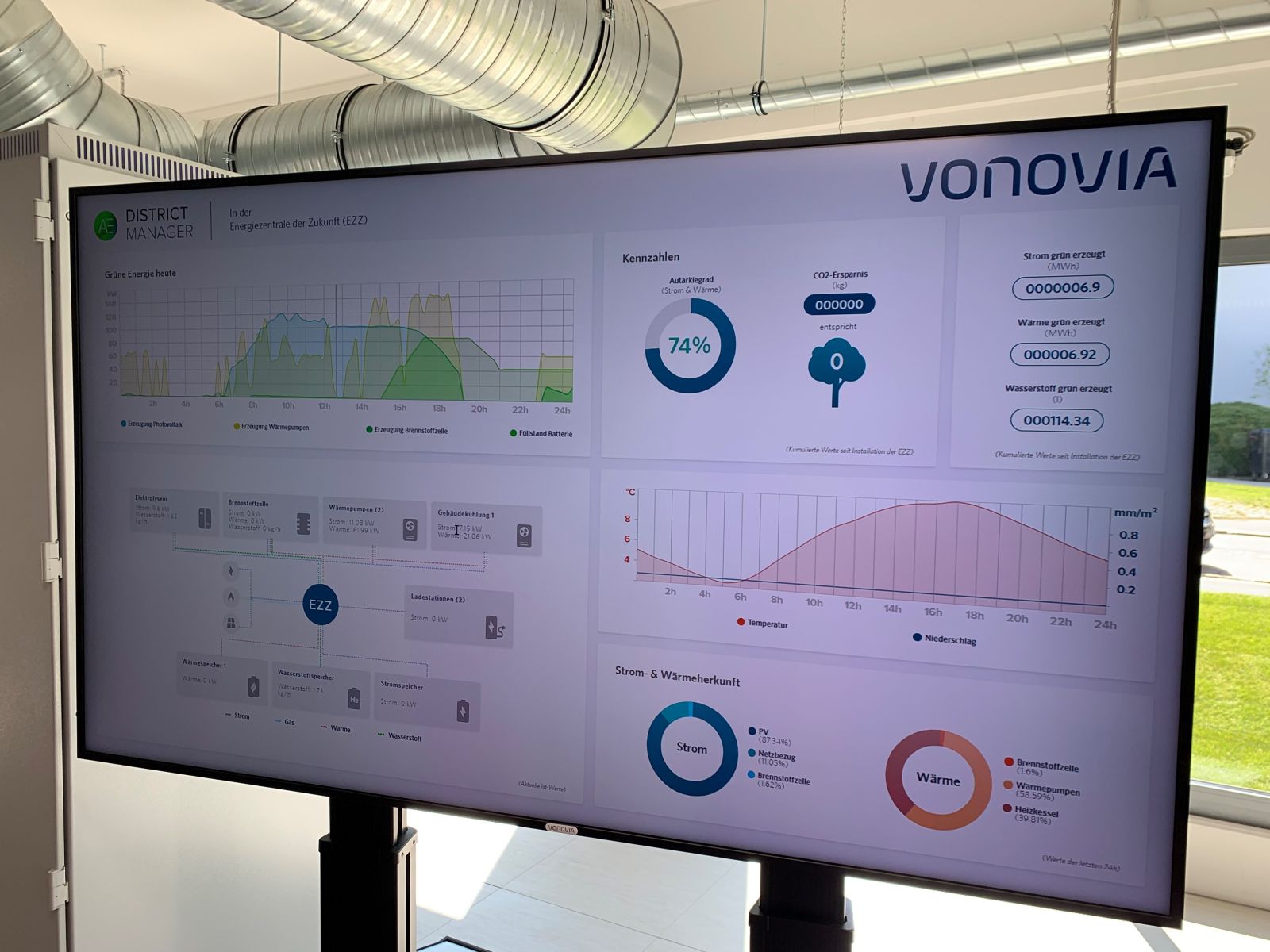
Energymanagementsystem
- Intelligent control of the hydrogen system by means of an energy management system (EMS)
- EMS as the hub of all data
- Visualization of the energy flows
- Plant optimization
- Improvement of economic efficiency & plant availability
- Intelligente Steuerung des Wasserstoffsystems mittels Energiemanagementsystem (EMS)
- EMS als Knotenpunkt aller Daten
- Visualisierung der Energieflüsse
- Anlagenoptimierung
- Verbesserung der Wirtschaftlichkeit & Anlagenverfügbarkeit
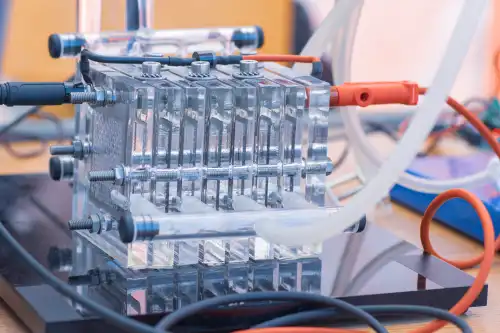
Elektrolysis
- chemical splitting of water (H2O) into hydrogen (H2) and oxygen (O)
- 2 H2O → 2 H2 + O2
- Different processes:
- PEM electrolysis
- AEM electrolysis
- AEL electrolysis
- Chlorine-alkali electrolysis
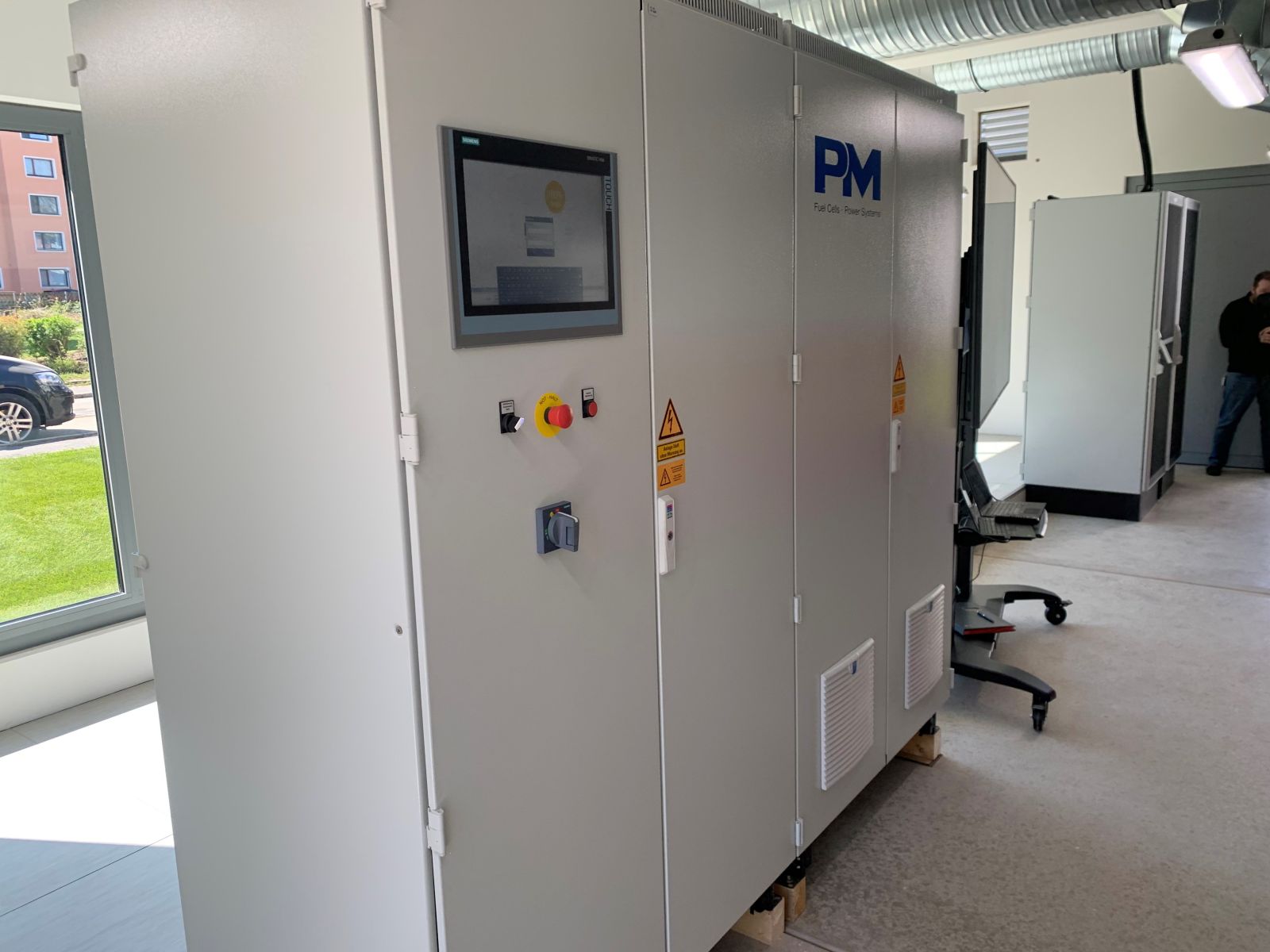
Fuelcell
- Energy conversion: Conversion of hydrogen into electrical energy
- Fuel cells with high efficiencies of up to 70%.
- no emissions: Fuel cells only generate water and heat as byproducts
- Control range: flexible control according to consumption requirements
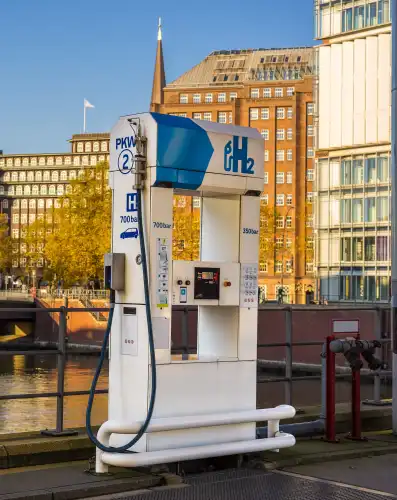
Hydrogen filling station
- Hydrogen delivery
- Own generation by means of electrolysis
- Intermediate storage
- Hydrogen dispenser
- Integration of electric charging stations
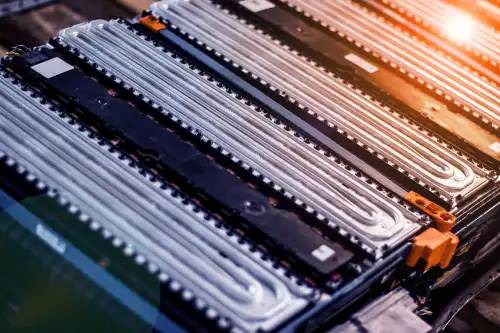
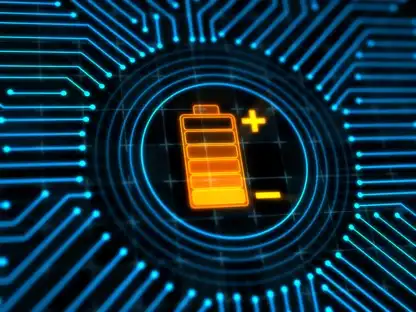
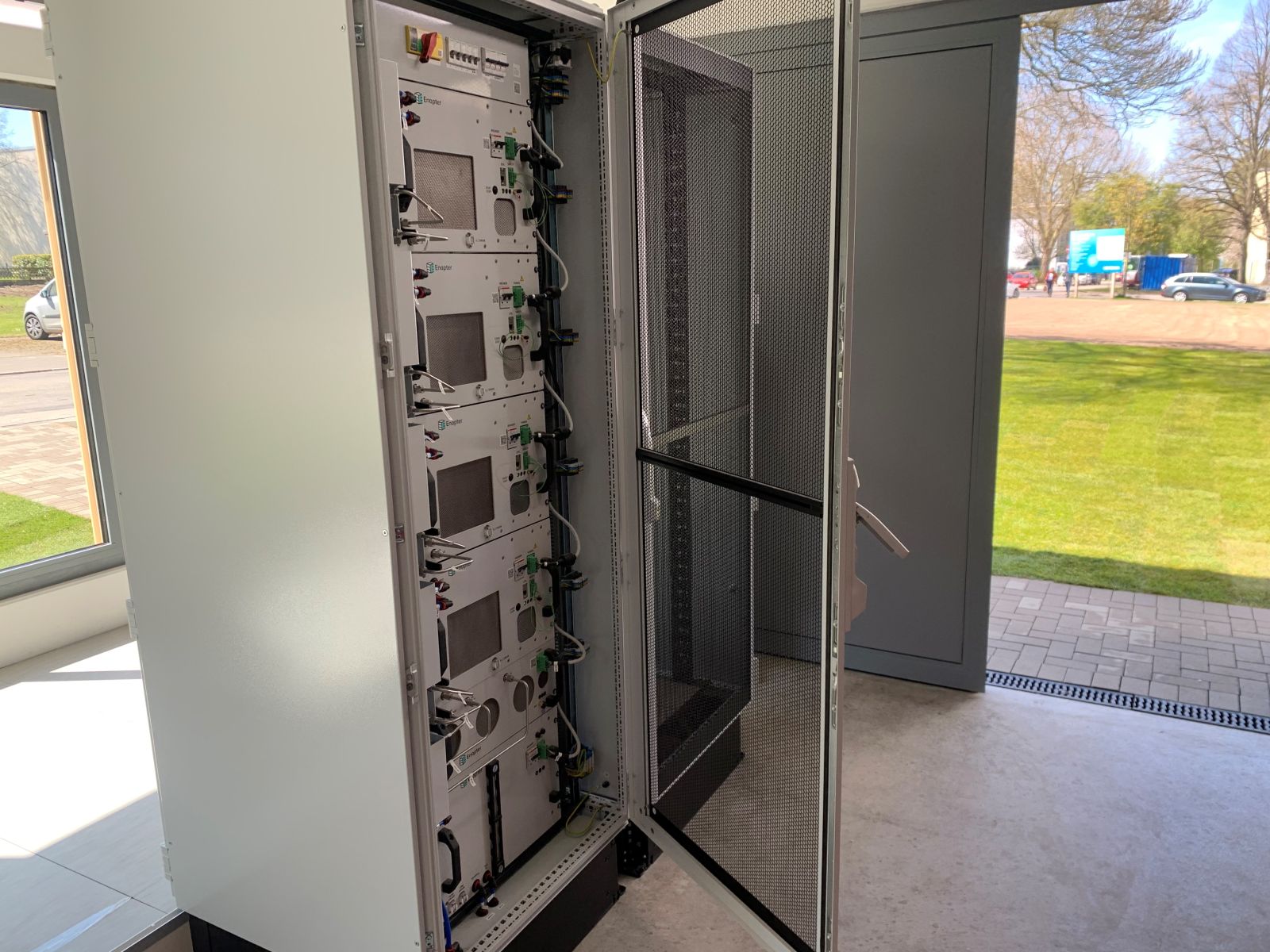
Battery
- Short-term power storage using battery technology
- Extremely high efficiencies
- Day-night balance
- Optimization of the self-consumption rate and energy autrakia
- Buffer storage for electrolysis and fuel cell operation
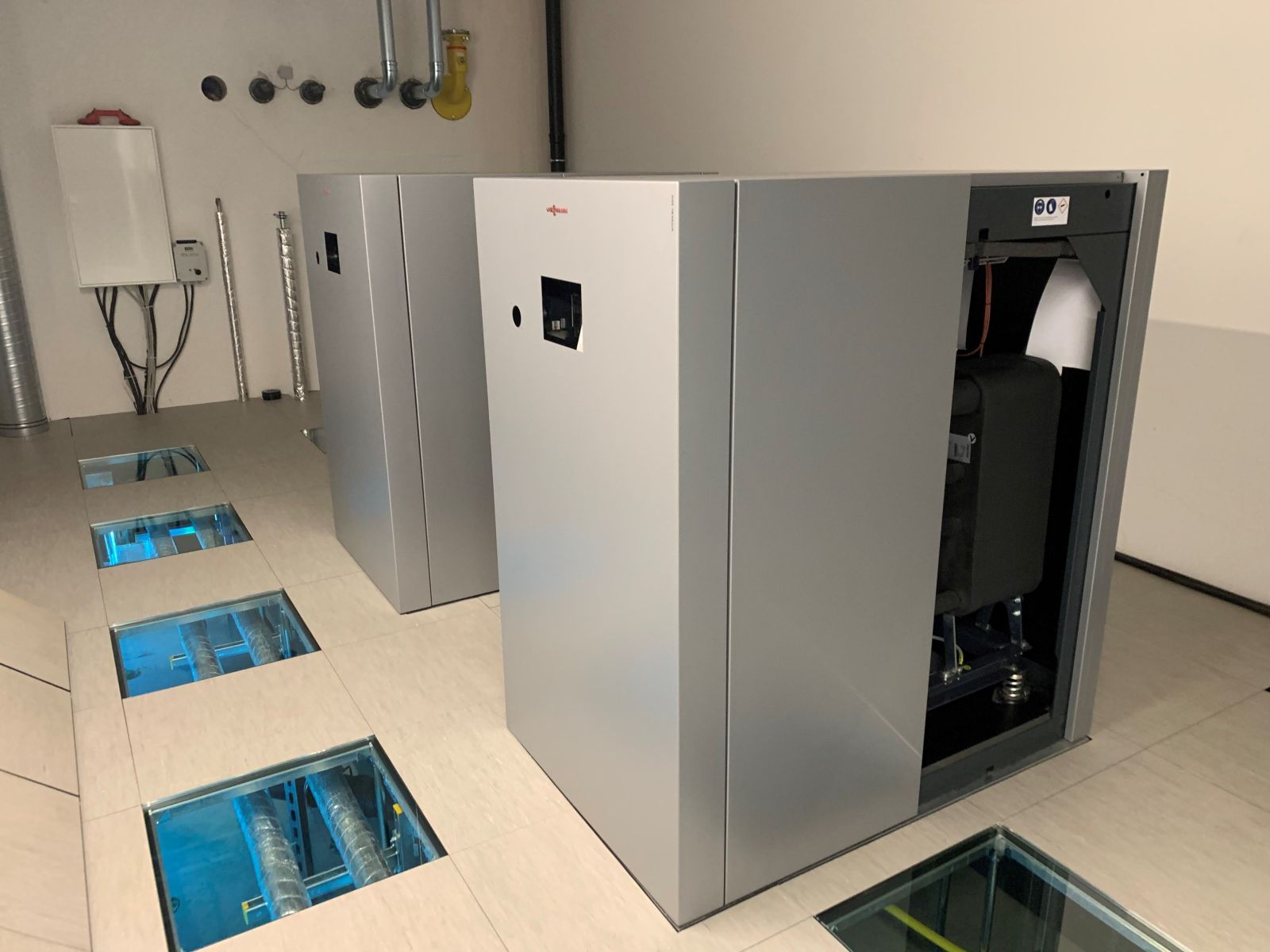
Hydrogen CHP
- CHP through the combustion of H2 in reciprocating engines
- Coupling of waste heat into a heating system
- Power generation via generator
- High efficiency
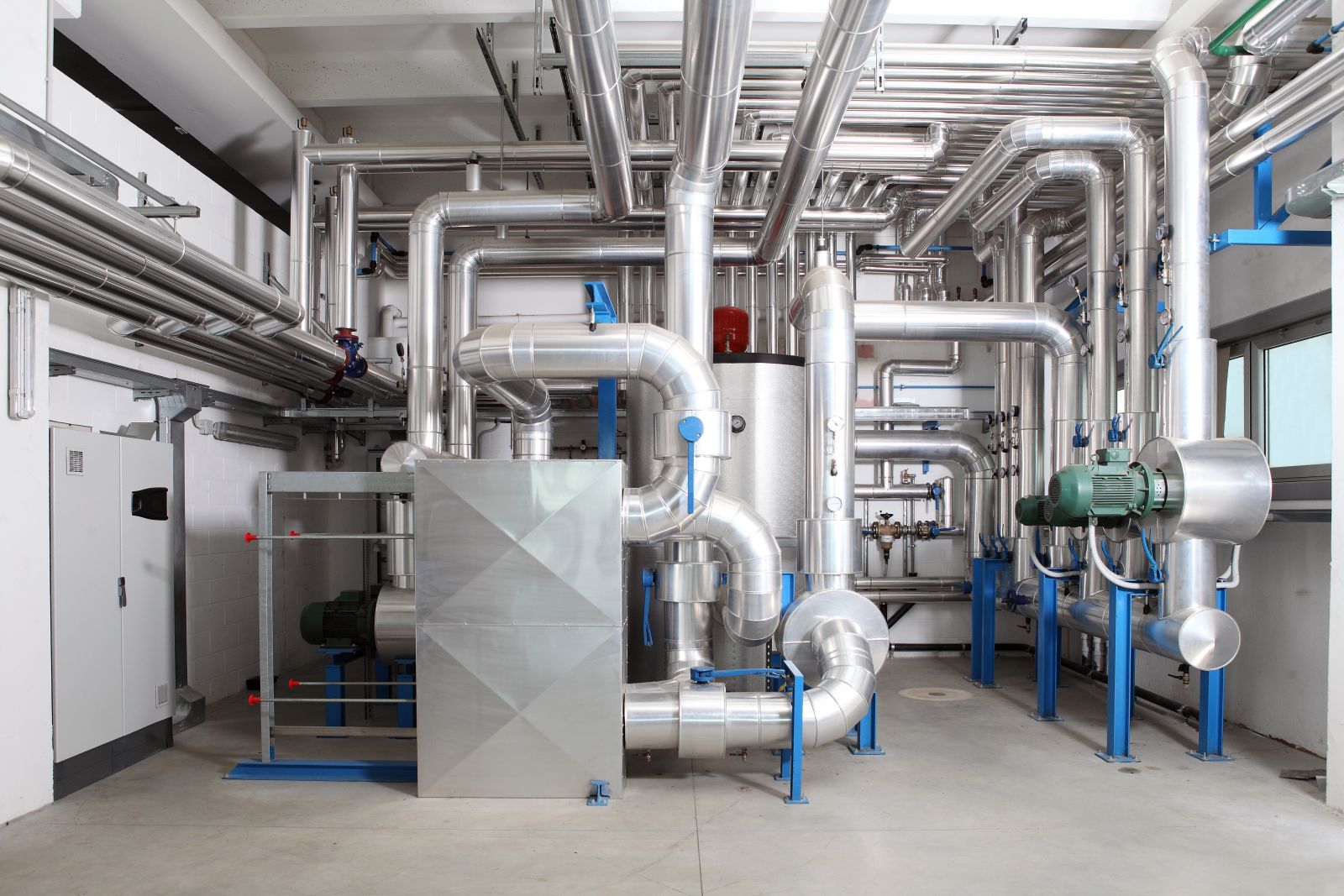
- Simple system integration by replacing the old natural gas CHP unit

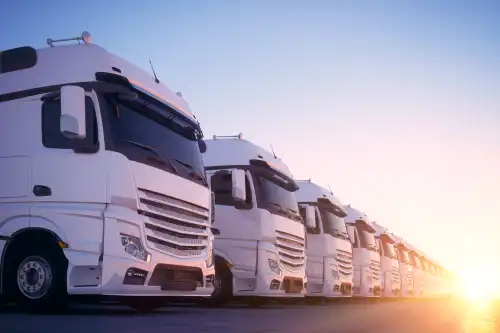
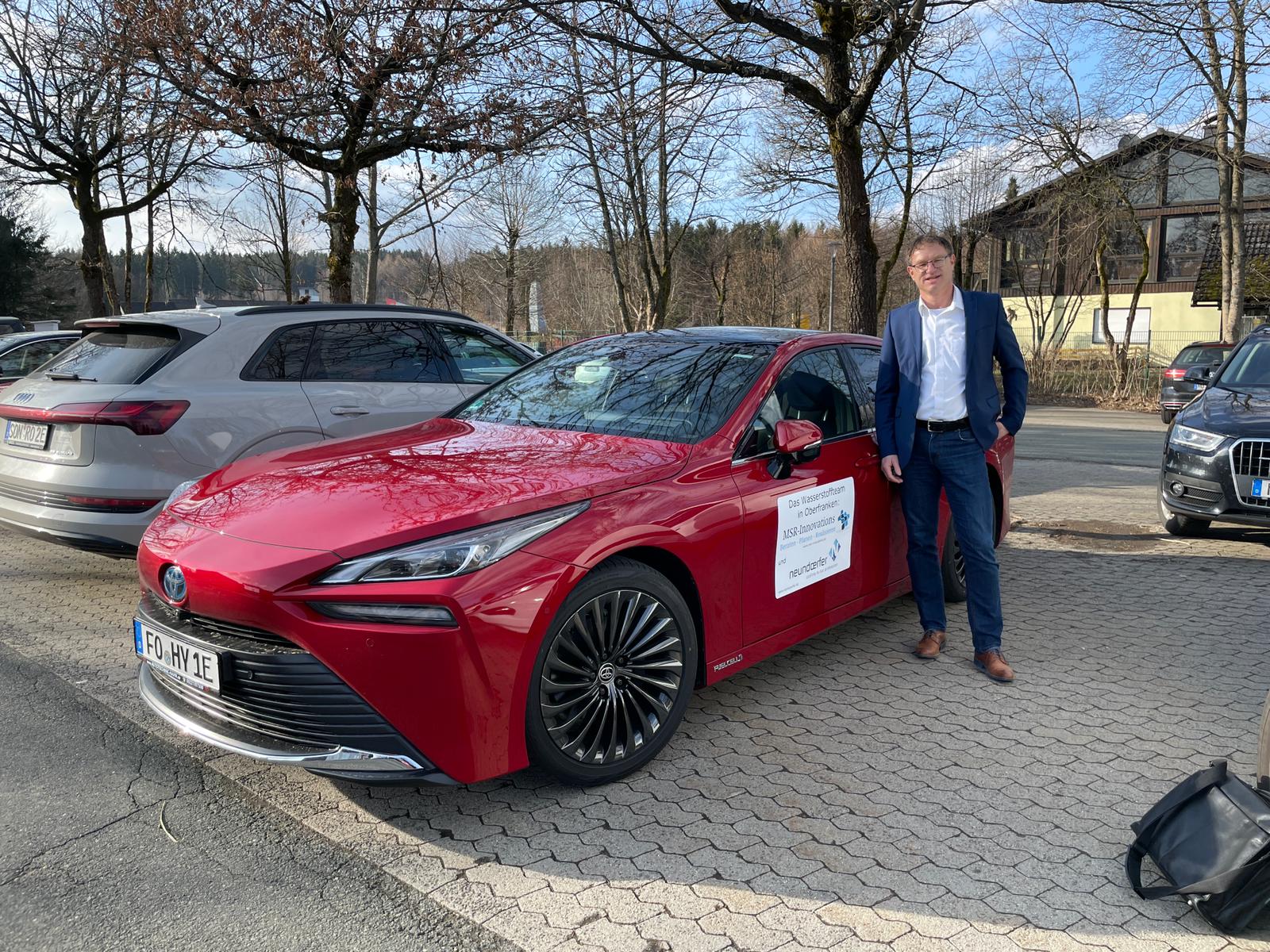
Hydrogen vehicles
- Hydrogen vehicle fleet
- Cars
- Trucks
- Buses
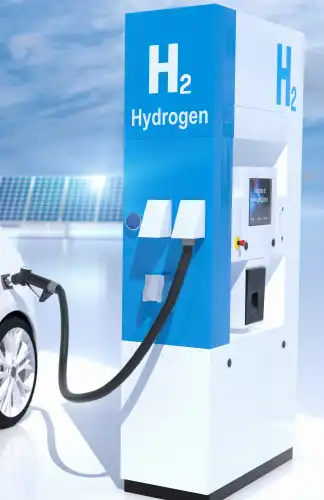
Hydrogen dispenser
- Hydrogen delivery to vehicles or applications
- Pressure regulation for safe dispensing
- Compressed hydrogen is provided
- Contribution to hydrogen mobility
Explosion protection zone
- Establishment of an EX-protection zone
- Gas warning system
- Average fan
- automated emergency shutdown

Smart Meter
- Recording of the energy flows
- Live data acquisition
- Data processing in EMS
- Plant optimization
- Analysis of the economic efficiency & plant parameters
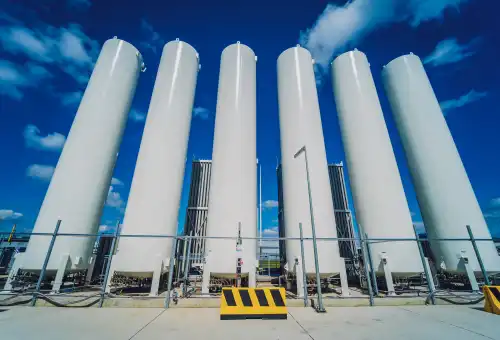
Hydrogen high pressure tank
- Storage of large quantities of hydrogen
- 300 bar
- application-related design
Heat pump
- Base load coverage with heat pump
- Supply via RES-E
- High efficiency
- Flexibly controllable in the overall plant system

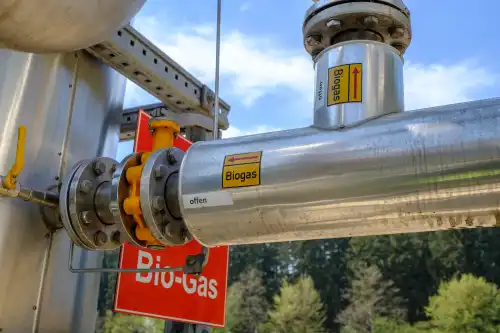
Biogas reforming
- Biogas reforming: production of hydrogen from biogas.
- Use of catalysts: Use of catalysts for accelerated reaction.
- Methane reforming: conversion of the methane content in biogas into hydrogen and carbon dioxide.
- Renewable energy source: Use of sustainably produced biogas as a feedstock for hydrogen production.
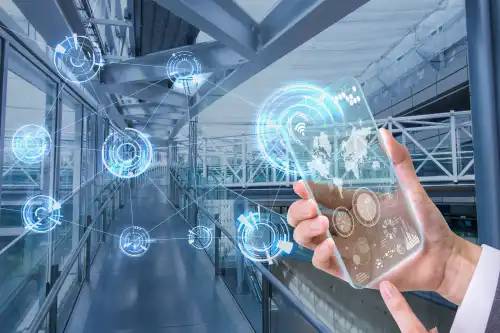
Smart connectivity
An intelligent system for controlling all relevant components in buildings.
Hydrogen is the energy carrier of the future. In many areas, it is becoming apparent that electrification is reaching its limits. Here, hydrogen is the perfect alternative to drive the energy transition.
Rainer Herold
Managing Director

The results of the simulation calculation proved that a self-sufficient supply of the property is possible using the appropriate storage technologies and pressures. During the course of the project, it became clear that the customer has a very high affinity for hydrogen technology.
Alexander Kapsch
Projectmanager

.png)


