
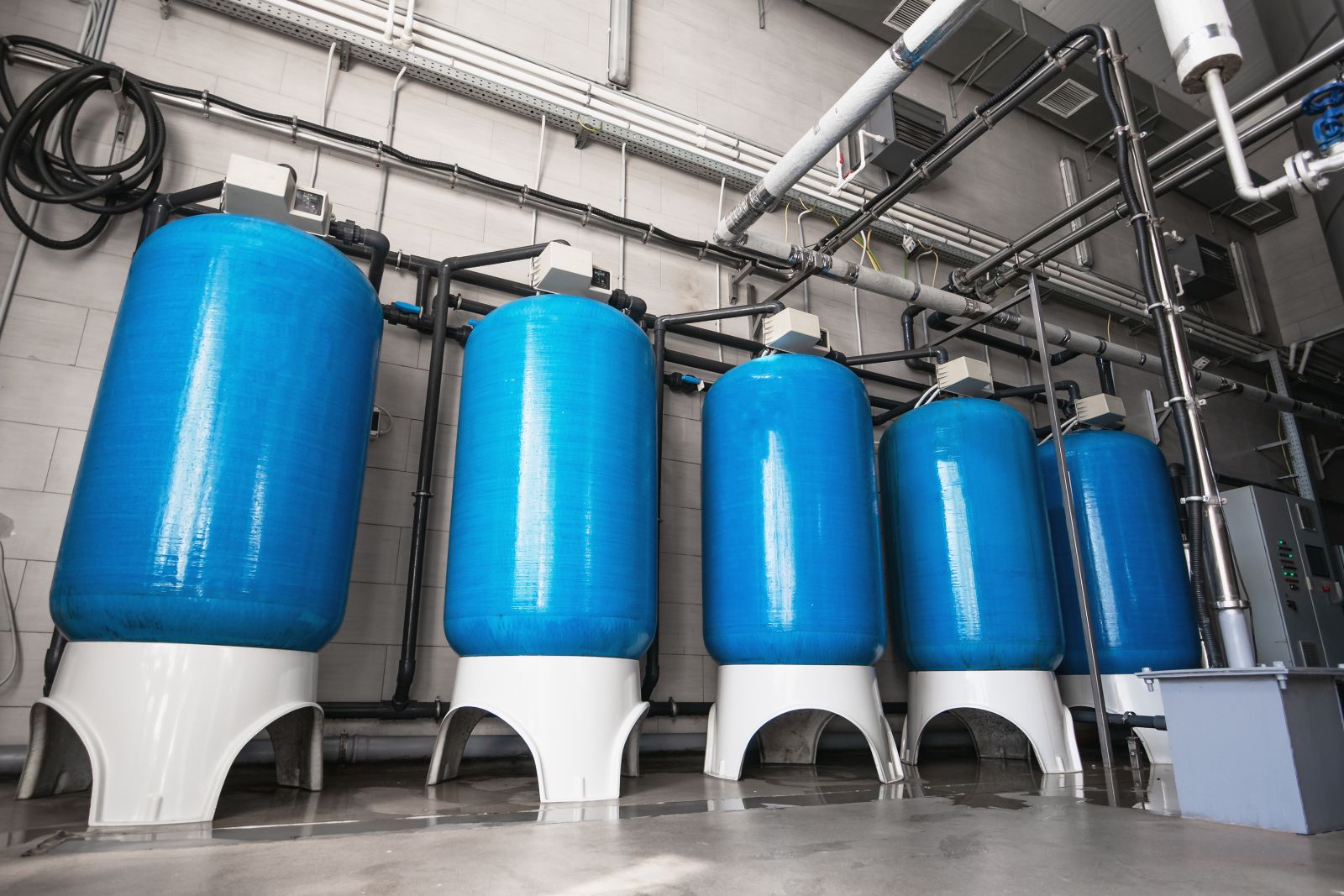
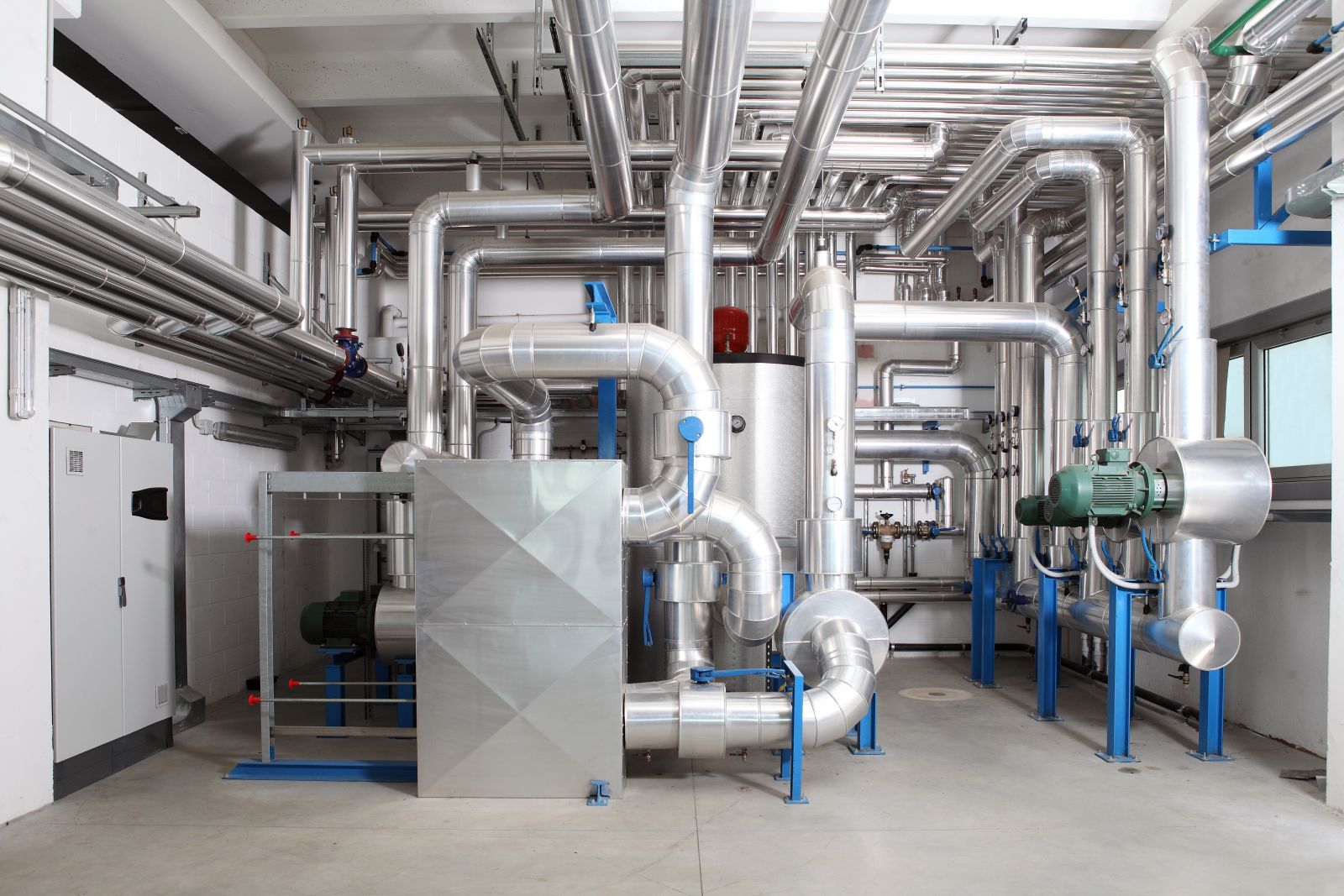
Energy centre for neighbourhood supply with hydrogen
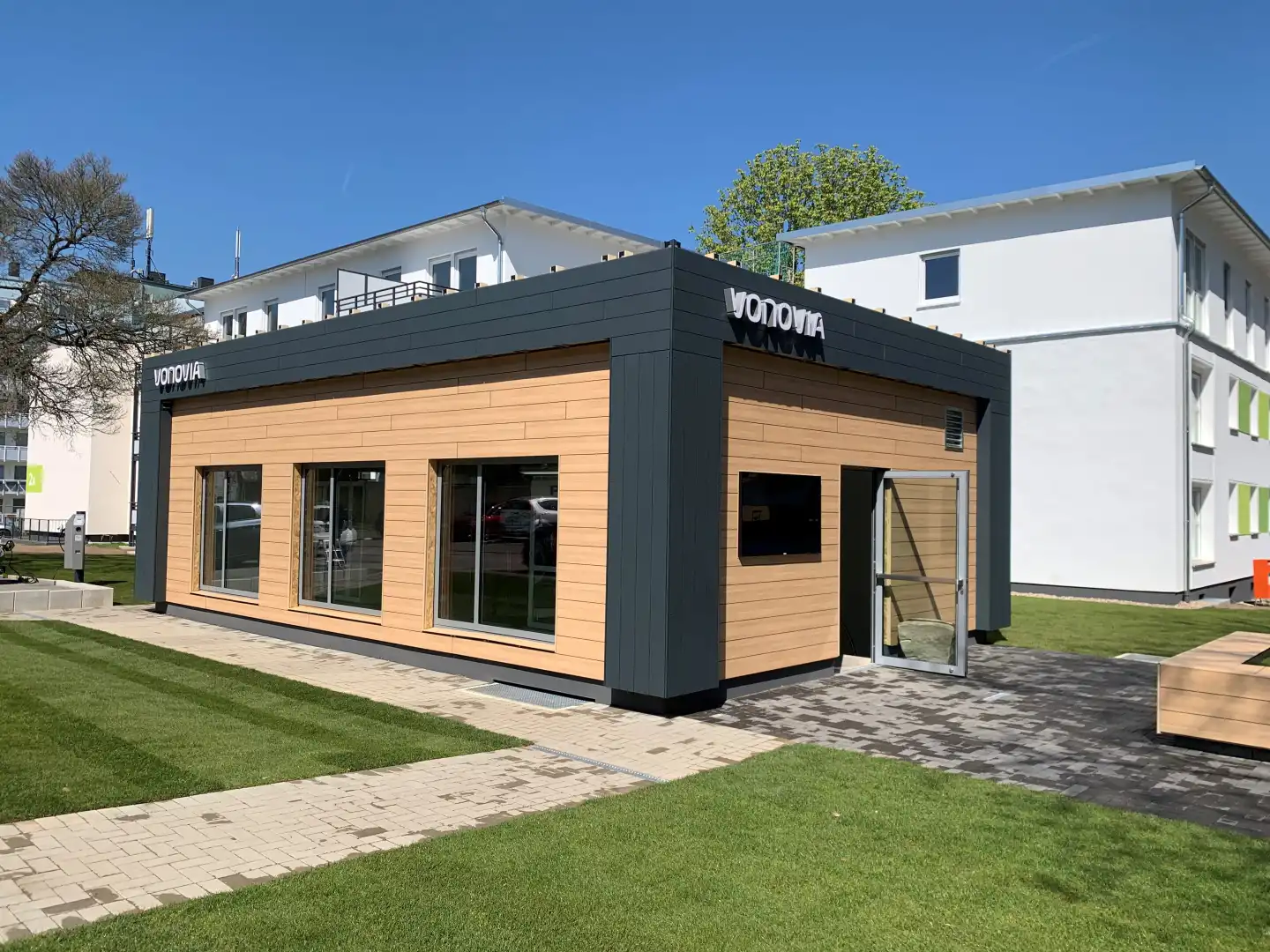
Hydrogen
Hydrogen as energy storage for district supply
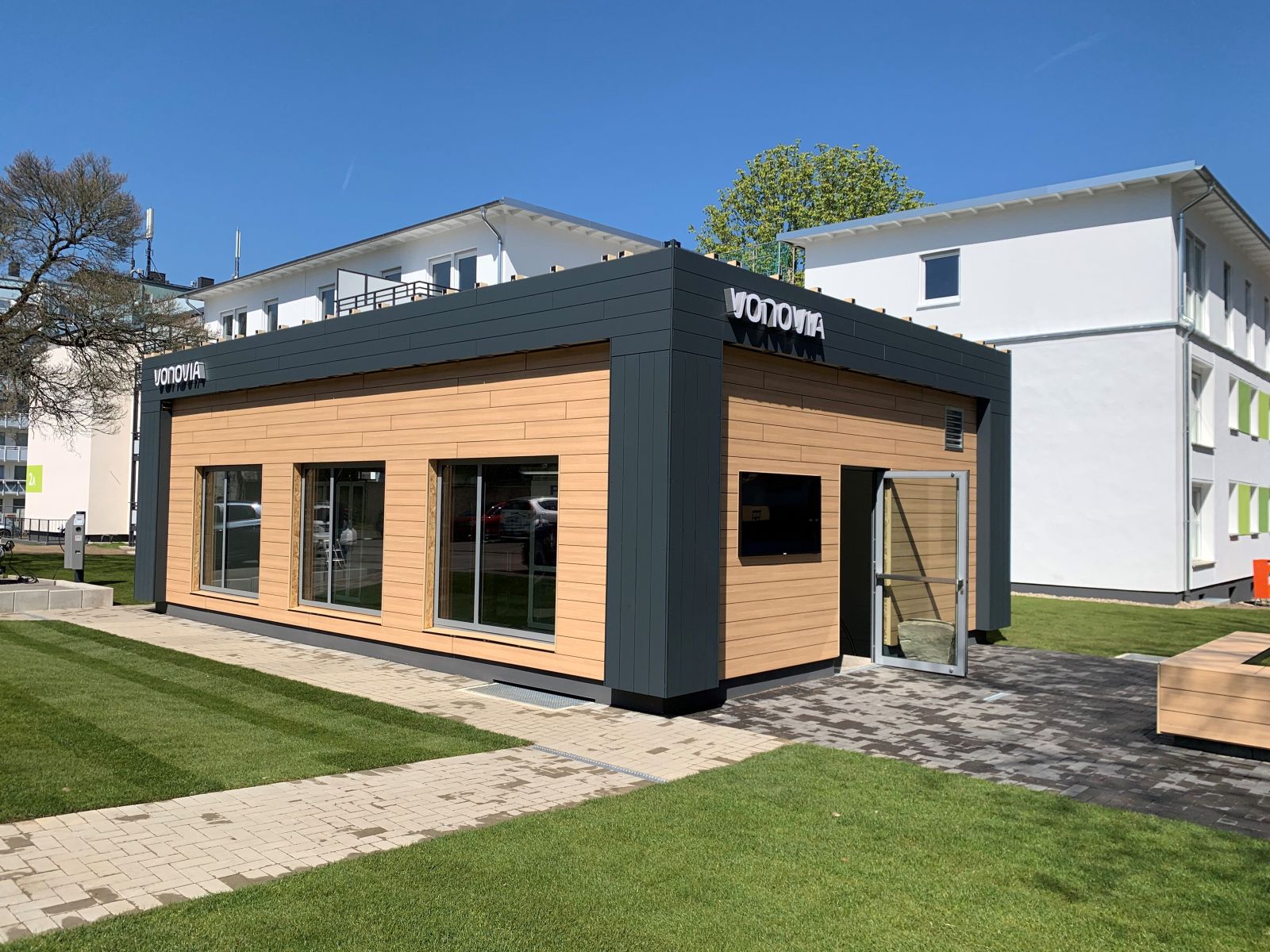
The energy centre of the future is intended to explore an innovative energy supply with hydrogen as a real laboratory.hydrogen as a real laboratory. The hydrogen is used as a seasonal
storage. Based on the recorded data, the system will automatically
automatically optimise its energy supply. Here, the approach was found via artificial
intelligence was found. In this project, the task was to integrate all
systems into one overall system via a wide variety of communication interfaces.
system via a wide variety of communication interfaces. Sector coupling played an
played an enormous role.
The client's project goal was to achieve the highest possible degree of self-sufficiency and to secure the heat supply for the tenants.
The following plant systems were integrated:
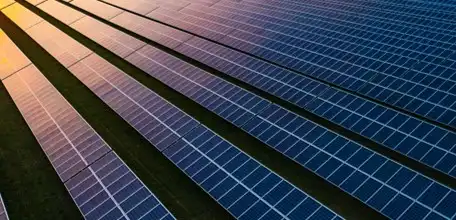
Photovoltaics 240kWp
Electrolysis 10nm³
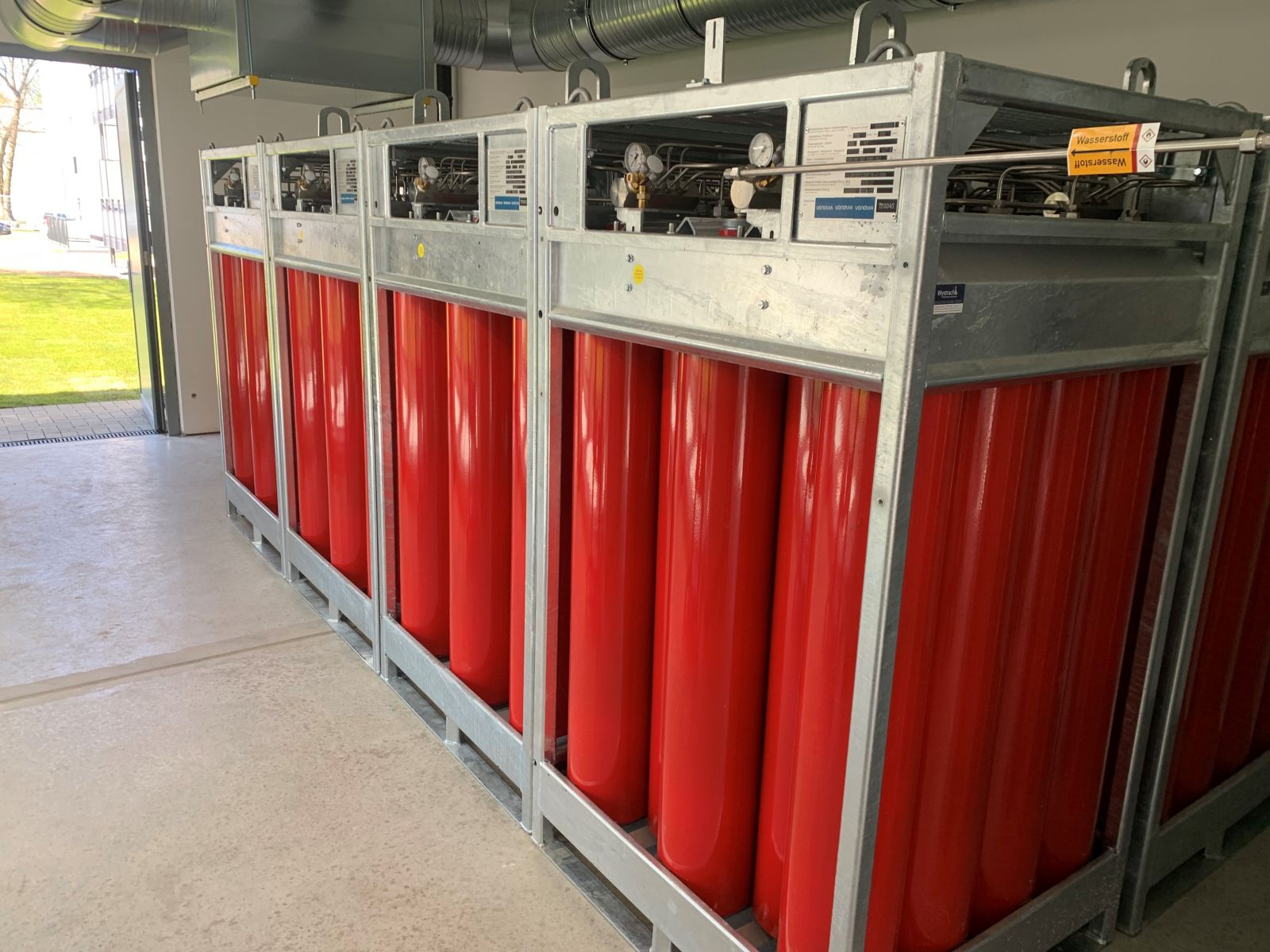
Hydrogen storage up to 5,600kWh
Fuel cell 25kW
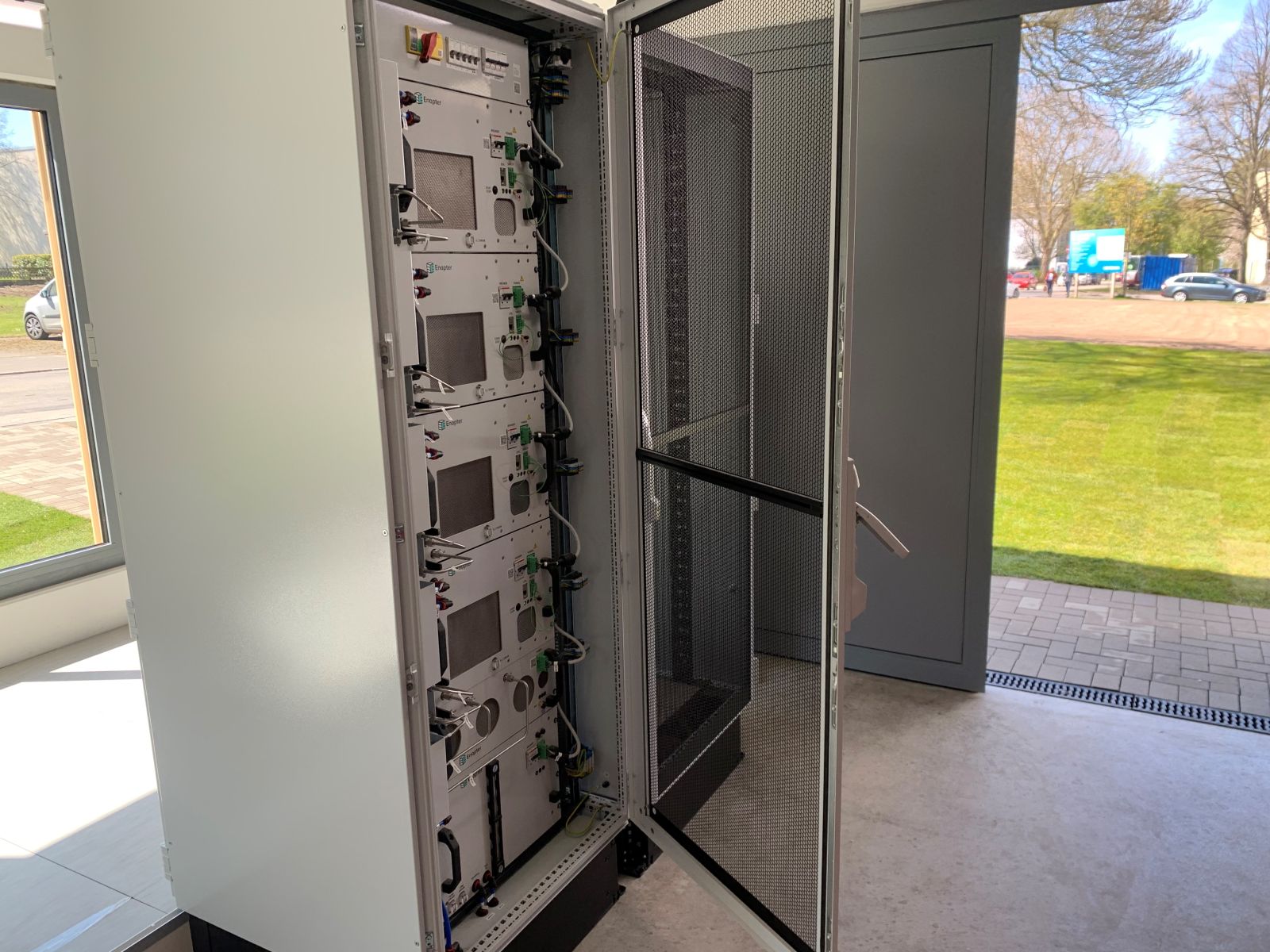
Electricity storage 140kWh
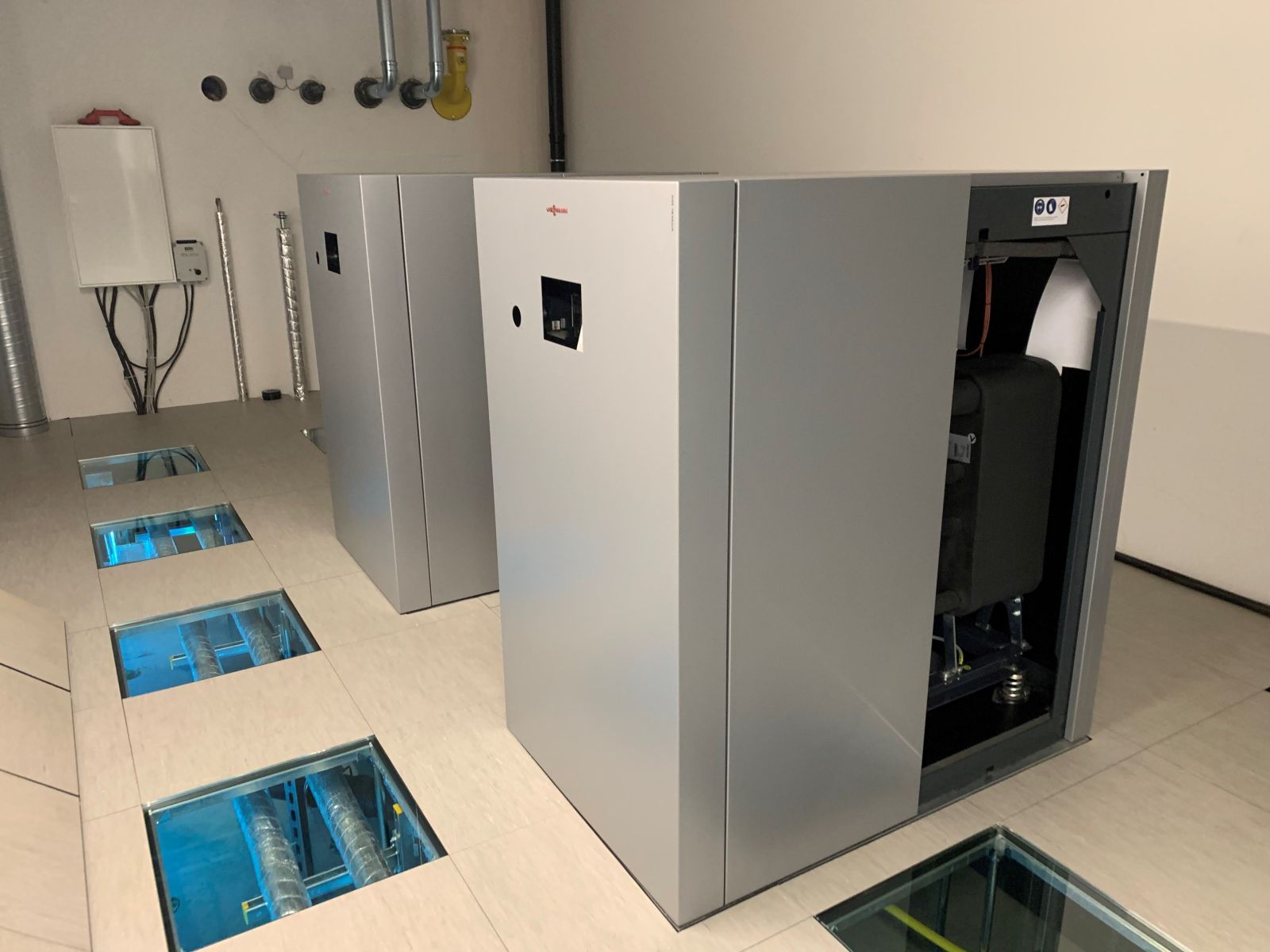
Heat pump 2x100kW
Gas condensing boiler 420kW
stratified storage tank 6,000l
Local heating network 4.0
Measurement, control and regulation technology
IT infrastructure and cloud connection
Energy management system
Nahwärmenetz 4.0
Mess-, Steuer- und Regelungstechnik
IT Infrastruktur und Cloudanbindung
Energiemanagementsystem
Photovoltaik
- Primary energy generation via PV modules
- Energy consumption coverage
- Use of excess electricity for hydrogen production
- Enabling energy self-sufficient supply systems
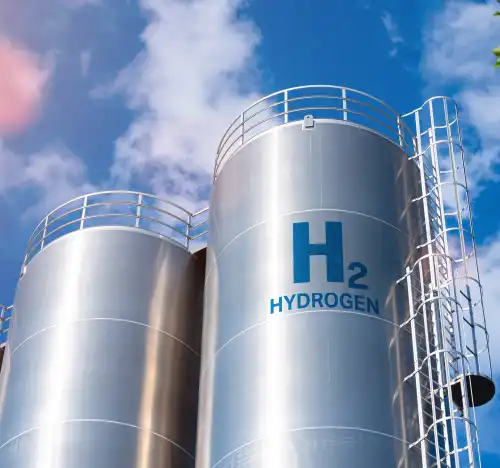
Long-term hydrogen storage
- Seasonal H2 storage
- High-pressure hydrogen storage
- Cylinder bundle storage
- High pressure tank
- 30 to 700 bar
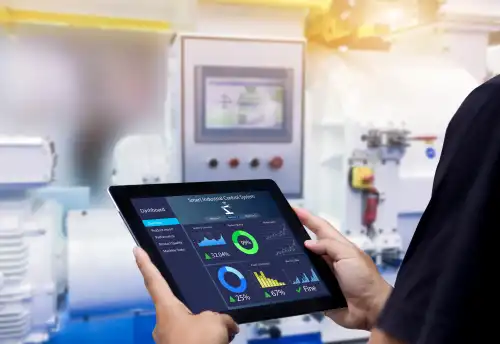
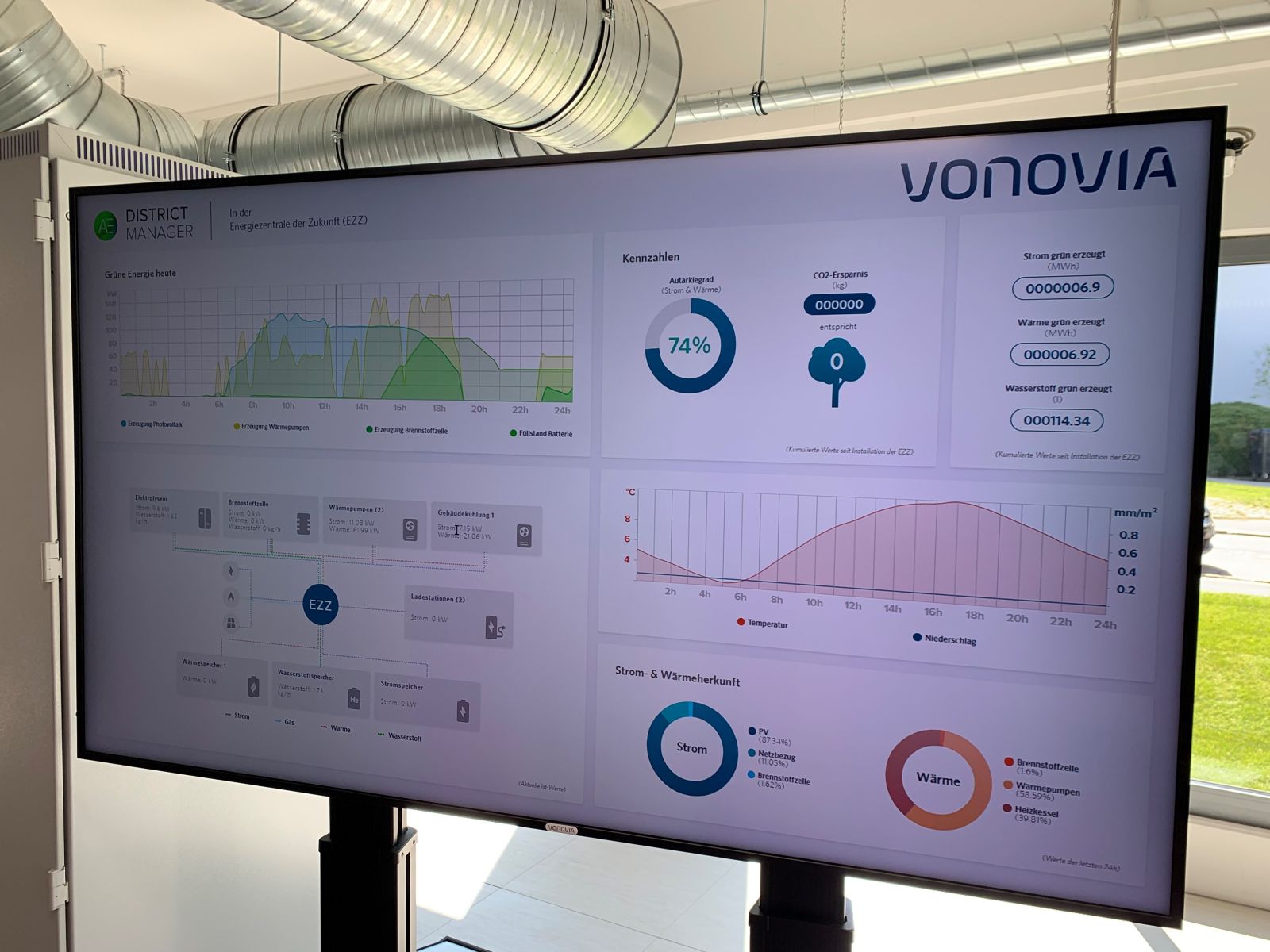
Energymanagementsystem
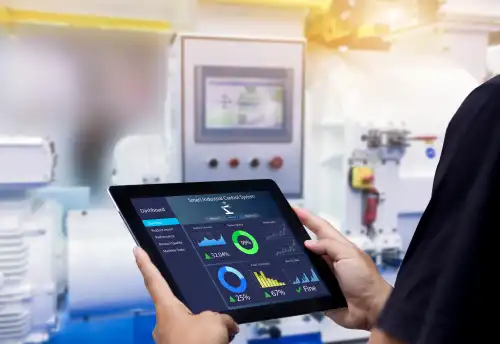
- Intelligent control of the hydrogen system by means of an energy management system (EMS)
- EMS as the hub of all data
- Visualization of the energy flows
- Plant optimization
- Improvement of economic efficiency & plant availability
- Intelligente Steuerung des Wasserstoffsystems mittels Energiemanagementsystem (EMS)
- EMS als Knotenpunkt aller Daten
- Visualisierung der Energieflüsse
- Anlagenoptimierung
- Verbesserung der Wirtschaftlichkeit & Anlagenverfügbarkeit
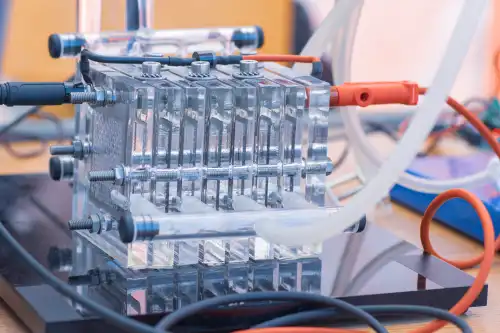
Elektrolysis
- chemical splitting of water (H2O) into hydrogen (H2) and oxygen (O)
- 2 H2O → 2 H2 + O2
- Different processes:
- PEM electrolysis
- AEM electrolysis
- AEL electrolysis
- Chlorine-alkali electrolysis
Fuelcell
- Energy conversion: Conversion of hydrogen into electrical energy
- Fuel cells with high efficiencies of up to 70%.
- no emissions: Fuel cells only generate water and heat as byproducts
- Control range: flexible control according to consumption requirements
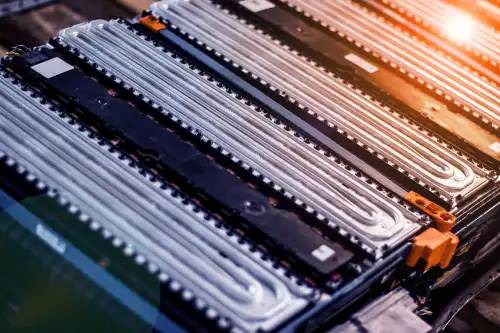
Battery
- Short-term power storage using battery technology
- Extremely high efficiencies
- Day-night balance
- Optimization of the self-consumption rate and energy autrakia
- Buffer storage for electrolysis and fuel cell operation
Explosion protection zone
- Establishment of an EX-protection zone
- Gas warning system
- Average fan
- automated emergency shutdown

Smart Meter
- Recording of the energy flows
- Live data acquisition
- Data processing in EMS
- Plant optimization
- Analysis of the economic efficiency & plant parameters
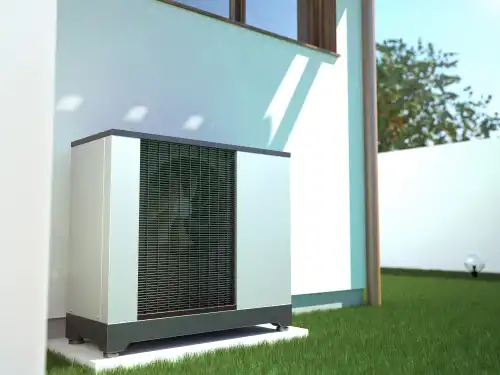
Heat pump
- Base load coverage with heat pump
- Supply via RES-E
- High efficiency
- Flexibly controllable in the overall plant system
Hydrogen energy system
- Electrolysis for the production of hydrogen
- Hydrogen storage
- Fuel cell for generating electricity from hydrogen
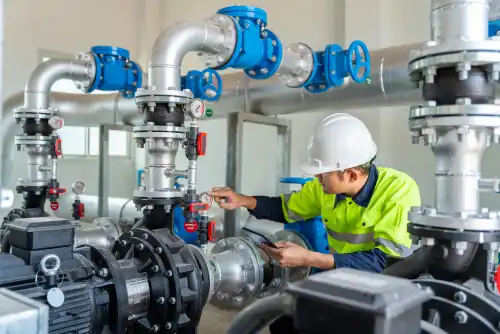
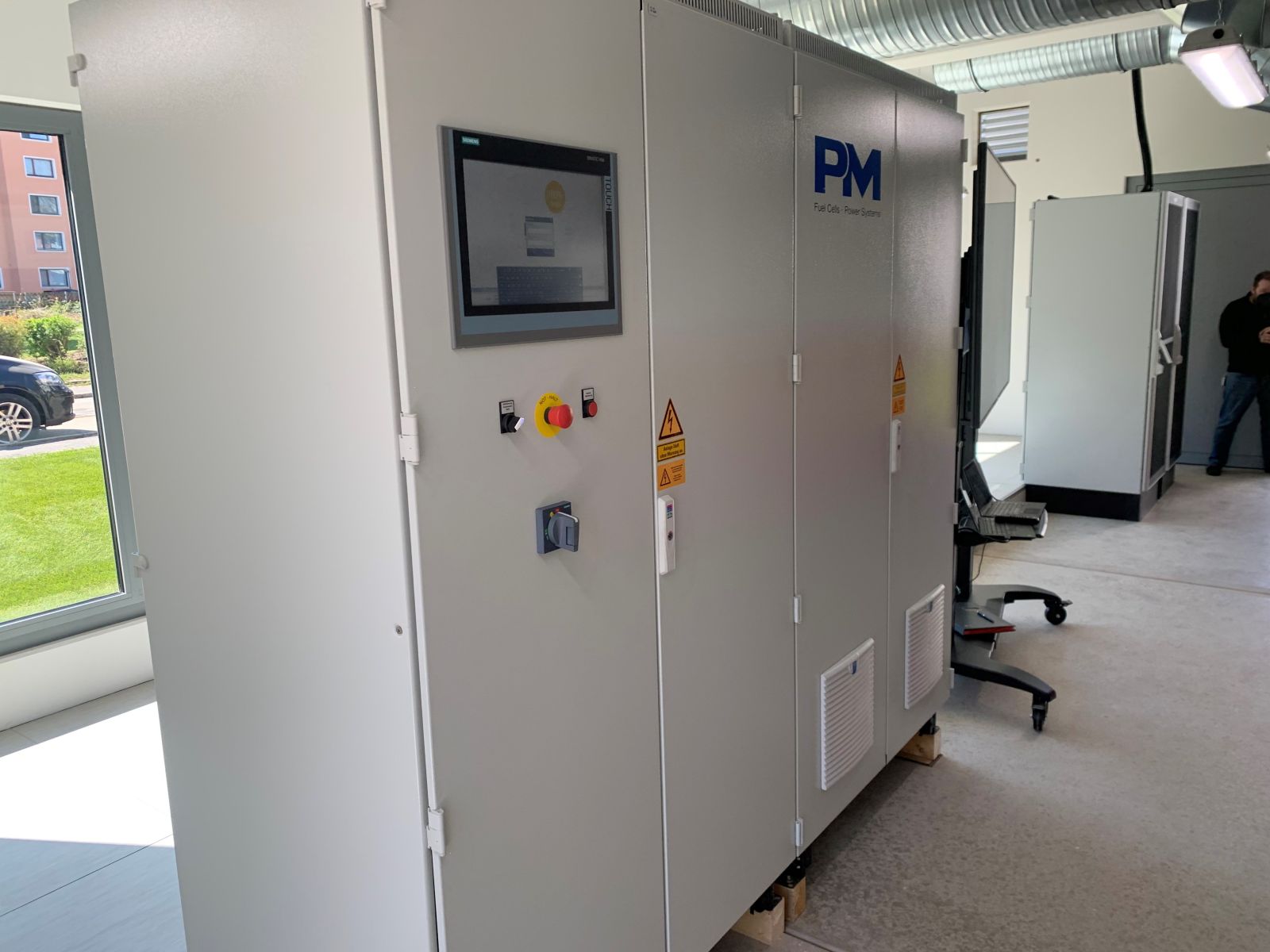
Control cabinets
The heart of building automation is the I&C control cabinets.

Smart connectivity
An intelligent system for controlling all relevant components in buildings.
The island operation of the energy supply distinguishes this hydrogen plant. The customer wanted the power supply to be maintained in the event of a blackout to ensure plant availability. We were able to relieve him of this concern with the hydrogen energy storage system.
Moritz Partenfelder
Projectmanager
The energy management system is the brain of the hydrogen energy system. It enables the intelligent networking of the individual components to realise maximum energy self-sufficiency and economic efficiency. The challenge lies in the optimal operation of the electrolysis and the fuel cell in interaction with the PV system and battery storage.
Robin Bär
Master Student


.png)


